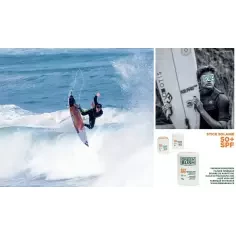
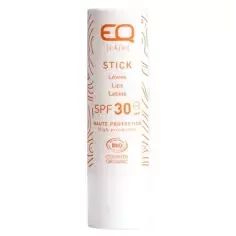
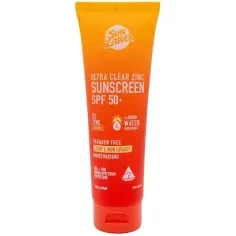
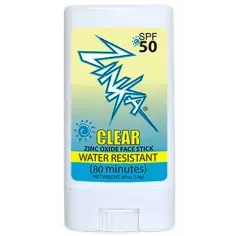
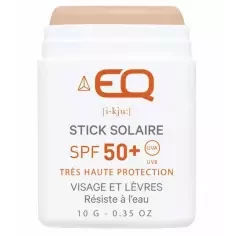
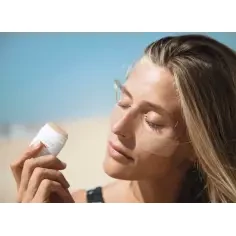
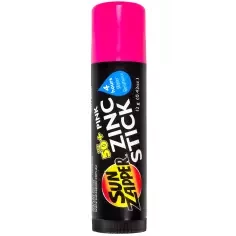
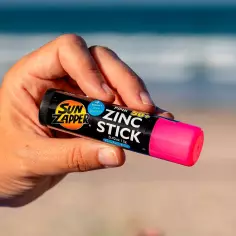
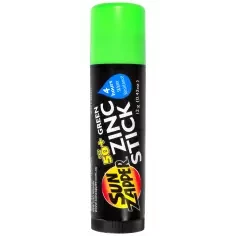
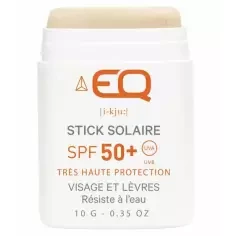
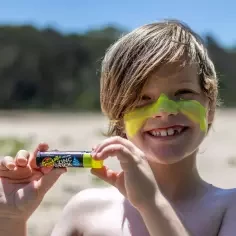
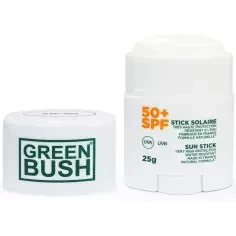
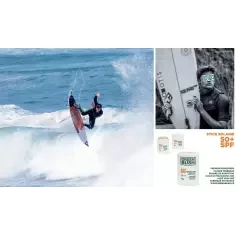
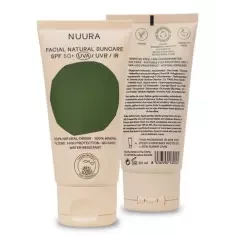
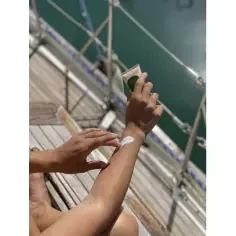
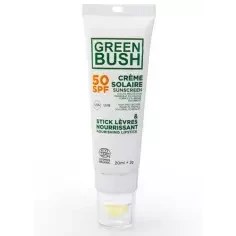
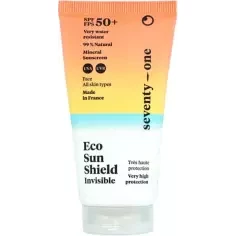
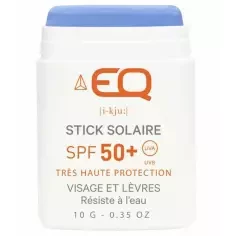
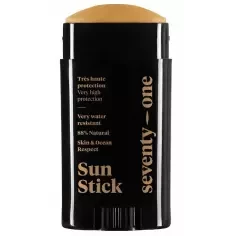
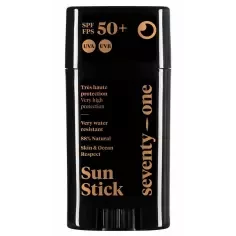
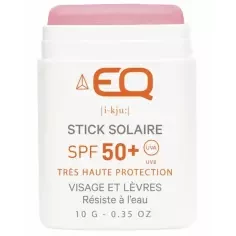
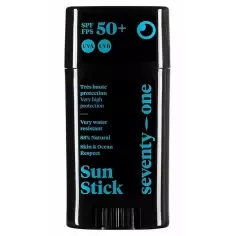
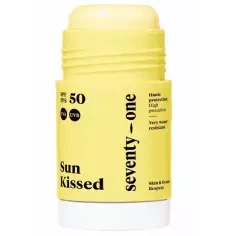
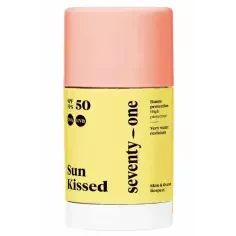
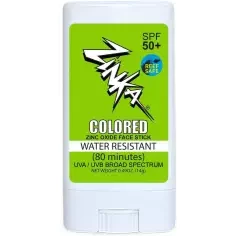
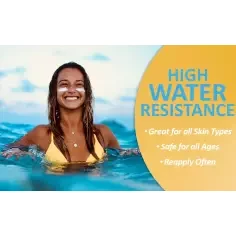
In practice, sunscreen and protective stick are essentials for anyone who surfs or bodyboards on a regular basis. Formulas designed for water sports prioritize two points: water resistance and maintenance of protection during long sessions in the sun. The criteria that determine the choice between one format and another depend on skin type, session length, and area of application.
Sunscreen for surfers is usually the most useful option when you want wide coverage on face and body. The sun stick, on the other hand, works better for quick, precise reapplications on the nose, cheekbones, lips, or scars. What makes the difference here is ease of use in real conditions, with wet hands, wind, and salt water.
Sunscreen and protective stick for surfers: selection guide
What does SPF indicate in sunscreen and protective stick for surfers?
SPF or sun protection factor indicates the level of protection against UVB radiation. An SPF 15 filters around 93% of UVB rays, SPF 30 about 97%, and SPF 50 approximately 98%. One thing to keep in mind when interpreting this figure: a higher number does not multiply protection proportionally, but it does provide an extra safety margin for long exposures.
It is worth adding an important clarification: SPF does not exactly express how long you can stay in the sun without risk, because that time changes depending on the time of day, latitude, altitude, water reflection, and skin phototype. For surf and bodyboard, it is sensible to also look for broad-spectrum protection against UVA and UVB rays. If there is only one point to remember, it would be this: for an in-water session, the protection factor must be accompanied by good resistance to salt water and periodic reapplication.
How to remove sunscreen stains from a swimsuit?
Sunscreen stains on a swimsuit or boardshort usually come out better if treated early. In practice, what works is to dampen the area, apply baking soda or a mild detergent and rub with a cloth without too much pressure. Then, it is best to let it sit for about 30 minutes before regular washing.
What really makes the difference here is avoiding harsh products such as bleach or solvents, as they can damage the elastic fabric or colors. It also helps to rinse the garment with fresh water after each session. Same logic as for a wetsuit: the sooner salt and residue are removed, the better the material is preserved.
Which sunscreen and protective stick to choose? Guide by skin type and sun protection factor
There is no single sunscreen suitable for everyone. The criteria that determine the choice are the combination of phototype, skin sensitivity, session length, and frequency of exposure. What distinguishes one sunscreen from another in these conditions is not only the SPF, but also texture, adherence, and water resistance.
As a useful reference: darker skin or skin already used to the sun can start from SPF 15 or 20 for moderate exposure. Fair skin is usually better off with SPF 30. If the skin is very fair, sensitive, with freckles or prone to irritation, the most prudent option is to use SPF 50 or 50+, especially in sessions lasting more than 1 to 2 hours.
For face, nose, lips and cheekbones, a protective sun stick usually offers a denser, more stable layer. For shoulders, back, arms and legs, sunscreen is more practical in terms of spread and even coverage. One thing to keep in mind when combining both formats: many people use cream on the body and stick on exposed areas of the face to speed up reapplication.
In cold or mild waters, between 14 and 22 °C, the feeling of not sweating can lead you to underestimate cumulative radiation. On cloudy days something similar happens: UV rays still pass through clouds. If there is only one point to remember, it would be this: for surf and bodyboard it is advisable to prioritize SPF 30 as a minimum base of sun protection and go up to SPF 50 if the skin is fair, sensitive, or the session will be long.