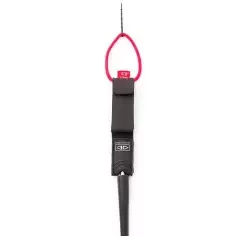
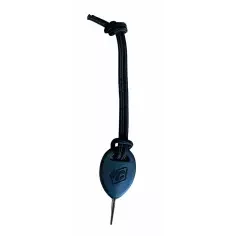
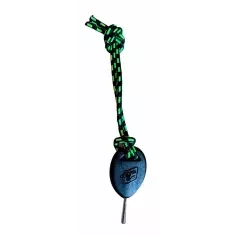
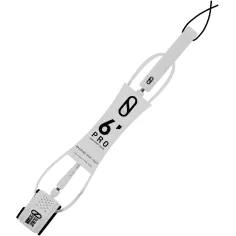
Comp or lite leash: the right cord for small boards
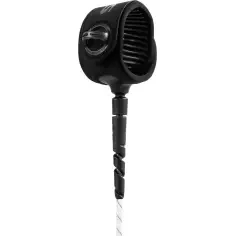
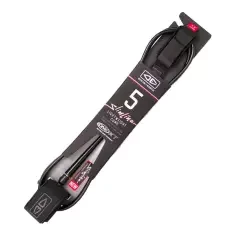
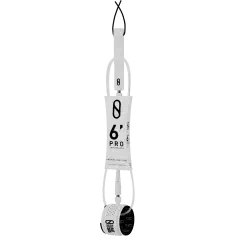
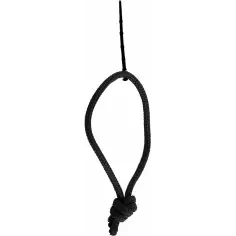
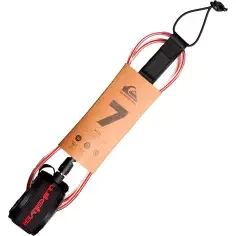
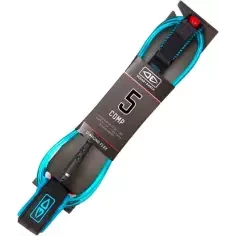
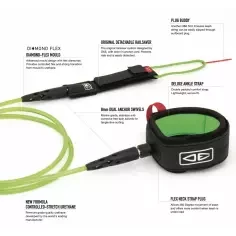
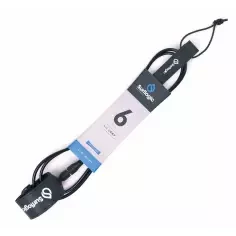
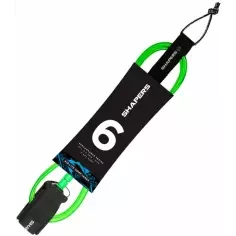
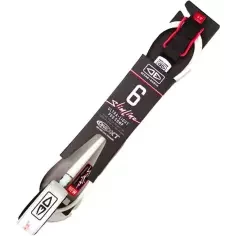
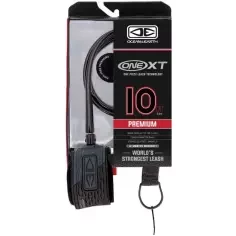
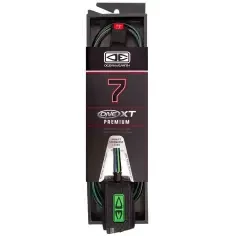
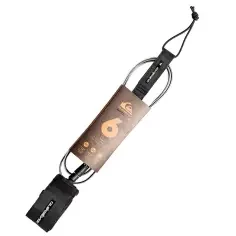
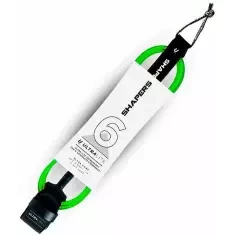
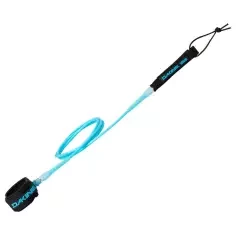
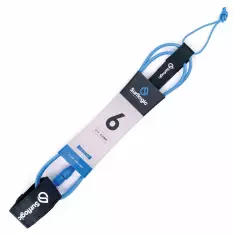
Comp or lite leashes are surf safety cords with a reduced-diameter polyurethane cord, normally under 6 mm. What makes the difference here is the lower drag in the water: in practice, you get lighter weight and a freer feel under your feet. They are mainly designed for small waves and short boards, where agility matters more than maximum strength.
Criteria for choosing a comp leash: length, diameter and compatibility
- Leash length: the rule of thumb is to match it as closely as possible to the board length. In this range, sizes between 5'0" and 6'6" are the most common.
- Diameter: a thickness of 5 to 6 mm reduces drag without losing enough stretch for short, snappy surfing.
- Material: polyurethane prioritises flexibility and lightness. Something to keep in mind when you compare it with a standard leash: absolute durability is not its main strength.
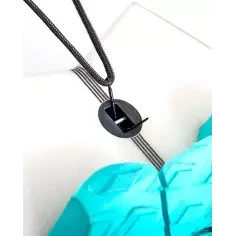
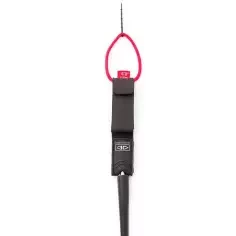
- Plug compatibility: it’s worth checking whether the board’s fixing system accepts standard mounting or requires a reducer-type adapter.
- Board type: it works best on shortboards, fish and compact boards used in soft to medium conditions.
Comp leash versus leggie: differences in use and fit
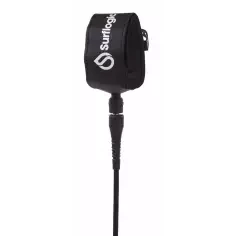
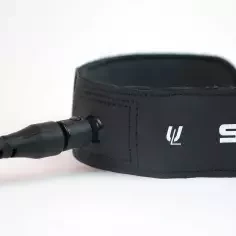
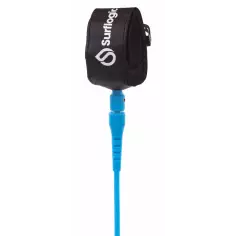
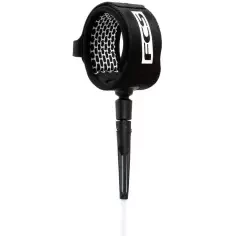
A comp leash can be strapped to the ankle and, in some cases, to the knee, depending on the design and intended use. A leggie, on the other hand, is specifically designed to be worn on the knee. What sets one option apart from the other in these situations is the anchor point and the feel during manoeuvres: the ankle is usually the most common reference point on a shortboard, while the knee is chosen by personal preference or depending on the type of board.
Materials and durability: what to expect from a comp leash
Comp leashes mainly use polyurethane for its elasticity and quick response. In practice, they provide sufficient strength for regular sessions in small waves, with less weight and less drag than a thicker leash. If there is one key takeaway, it’s this: they are built to prioritise performance and lightness, not for powerful surf or waves with a lot of water moving.
When it makes sense to choose a comp leash
- Surfing in small waves: it usually works best in conditions under 1.5 m, where extra drag is more of a drawback.
- Short or compact board: on a fish, groveler or shortboard, a reduced diameter suits the character of the board better.
- Performance priority: if you’re looking for quick movements and less interference, this construction makes sense.
- Short sessions or travel: it packs small and adds less weight to your overall gear.
- Specific use: it is not the go-to choice for powerful beach breaks or days with solid sets, where it’s better to go up in thickness.
At Mundo-Surf, the practical way to choose comes down to three questions: board length, average wave size, and whether you prioritise lightness or strength. As mentioned earlier, the same logic as for any leash applies here, but with a more specialised use. If you’re unsure between two sizes, it’s usually more sensible to start from the board length and then adjust according to your actual surfing style.