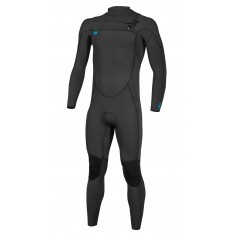
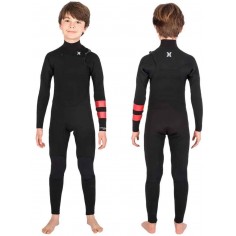
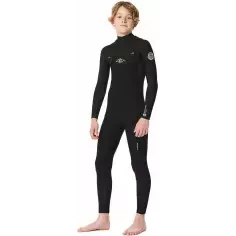
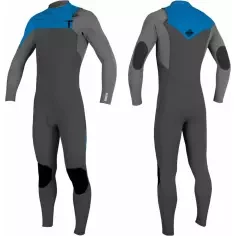
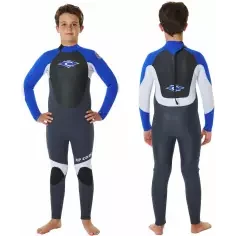
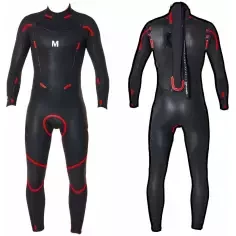
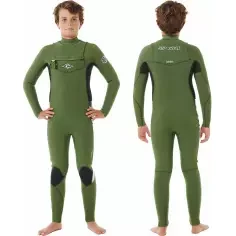
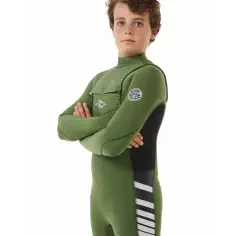
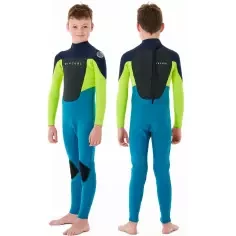
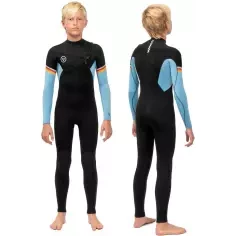
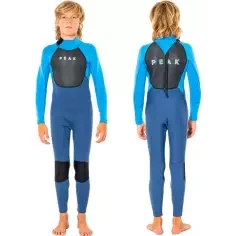
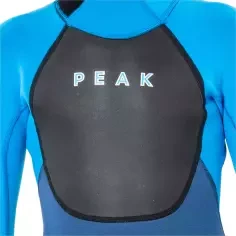
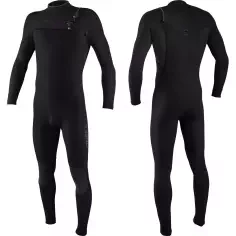
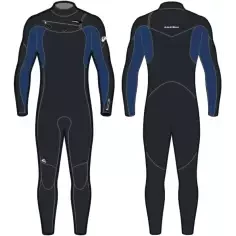
Junior 4/3 mm wetsuits are a suitable choice for kids and young surfers who need thermal insulation for most of the year, especially during the winter months. This thickness provides a useful balance between protection against cold water and freedom of movement. In practice, an 8 to 16-year-old can focus more on technique and less on feeling cold.
Junior 4/3 mm wetsuits: thermal insulation for surfing most of the year
The 4/3 mm thickness is a common benchmark for winter wetsuits for young surfers. The first number, 4, indicates the thickness in the chest and back; the second, 3, refers to the arms and legs. What makes the difference here is the balance between warmth and mobility: it protects in cold water without adding excessive bulk.
Compared with thinner options such as 3/2 mm or 2 mm, 4/3 mm wetsuits retain body heat better and allow more comfortable sessions when the temperature drops. Kids’ wetsuits are designed to fit the body proportions typical of ages between 8 and 16, which is key to limiting water entry. In practice, a good fit is just as important as thickness.
What a 4/3 mm thickness offers in junior surfing
The deciding factor is, above all, the average water temperature. In many areas of the Spanish Mediterranean and Atlantic coasts, water temperatures in winter are roughly between 10 and 15 °C: in that range, a 4/3 mm is usually a solid base. If there is only one takeaway, it is this: the suit must keep you warm without compromising paddling or shoulder mobility.
The thermal capacity of neoprene also depends on its construction. The closed cells in the material help retain body heat, and sealed seams reduce water intake. Something to keep in mind when comparing one model to another: a poorly fitting wetsuit loses much of its effectiveness, even if the thickness is right.
Closure system: Chest Zip or Back Zip
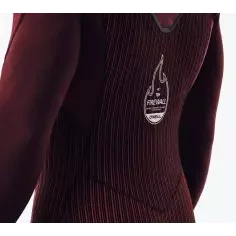
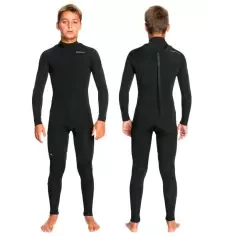
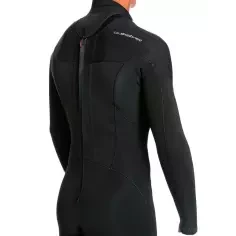
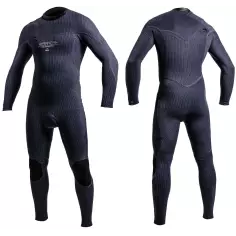
Junior 4/3 mm wetsuits usually come with two main entry systems: Chest Zip and Back Zip. The Chest Zip places the zipper on the upper chest and generally provides a better overall seal. The Back Zip positions the zipper on the back and, in many cases, makes the suit easier to put on, which is useful for smaller children or beginners.
What sets one option apart from the other is not only how easy it is to get in and out of the suit. The Chest Zip usually lets in less water and feels more snug, whereas the Back Zip can be more practical for everyday use. The deciding criteria here are the child’s independence when getting dressed and the thermal demands of the area where they surf.
Fit and sizing in junior wetsuits
The right size is crucial. A wetsuit should fit snugly at the neck, wrists, lower back and ankles, without restricting breathing or blocking shoulder movement. In practice, if you see air pockets or pronounced folds behind the knees or under the arms, the fit is not right.
For growing children, it is worth avoiding two common mistakes: choosing a size that is too big “so it lasts longer” or one that is too small assuming “it will stretch.” An excessively loose wetsuit lets water in and loses thermal performance. One that is too tight causes fatigue and reduces comfort during long sessions.
Seams, stretch and durability
Beyond thickness, there are three aspects to check: seam type, neoprene stretch and reinforcements in high-wear areas. Glued and blind-stitched seams, especially if they feature interior tape at key points, limit the entry of cold water. What really makes the difference here is build quality, particularly if the child surfs several times a week.
Stretch has a direct impact on paddling and on how easily they can pop up on the board. A more flexible panel in the shoulders and arms usually adds real comfort, especially at beginner and intermediate levels. When prioritising durability, keep this in mind: tough knee pads and clean finishes tend to withstand regular use better.
What water temperatures a junior 4/3 mm is suitable for
As a practical reference, a junior 4/3 mm wetsuit typically works well in water of around 10 to 15 °C. If the temperature drops towards 8–10 °C and sessions are long or windy, it may make sense to consider a 5/4 mm or to add booties. Same logic as for adults: it is not just the water temperature that matters, but also the outside wind chill.
In water above 16–17 °C, a 4/3 mm may feel too warm for some youngsters, especially if the activity is intense or the climate is mild. The key deciding factor remains actual use: surfing frequency, typical session length and individual tolerance to cold. Each child reacts differently, even within the same age range.
How to choose according to the young surfer’s profile
For a child who is just starting out and surfs occasionally in winter, it usually makes more sense to prioritise ease of use and a good overall fit. For a youngster who goes in the water several times a week, it is worth paying closer attention to stretch, sealing and seam quality. In practice, the difference between an acceptable suit and a truly useful one becomes clear after several sessions in a row.
If you had to stick to just one buying criterion, it would be this: match the wetsuit to the water temperature and the child’s level of independence. A well-fitted 4/3 mm with an appropriate entry system and well-finished seams covers most junior surfing needs in winter. At Mundo-Surf, the priority is to use these criteria to filter options that make sense, rather than deciding based on looks alone.