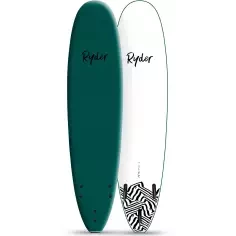
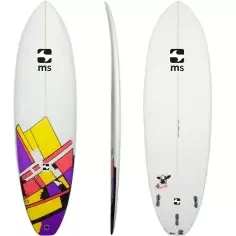
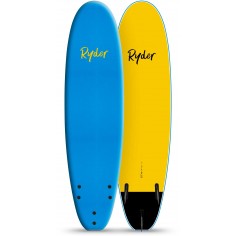
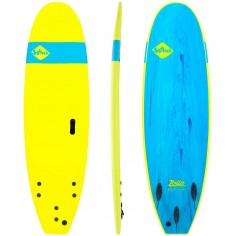
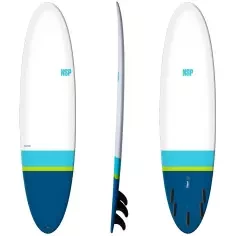
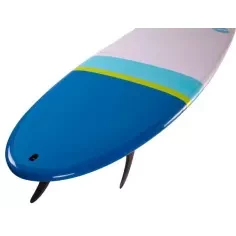
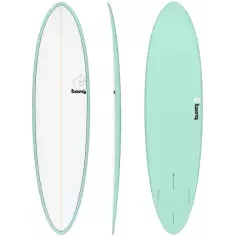
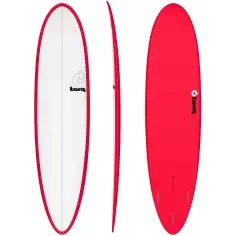
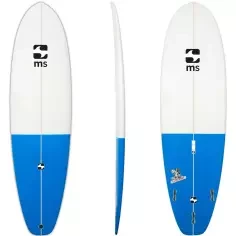
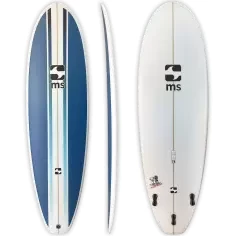
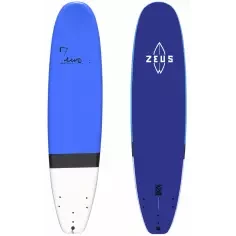
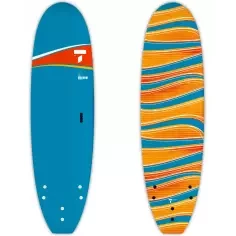
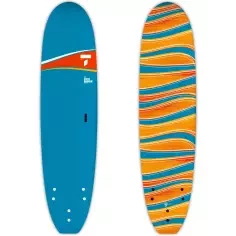
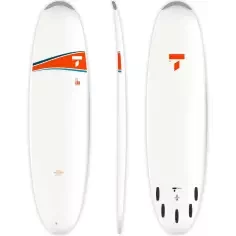
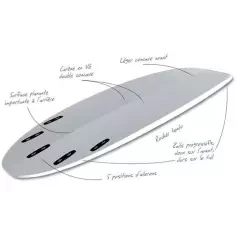
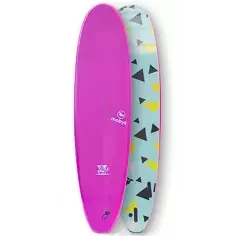
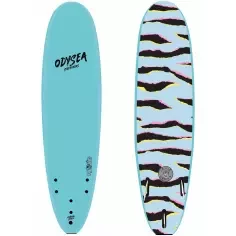
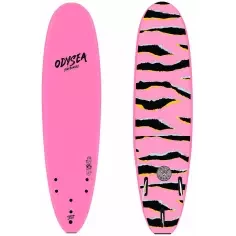
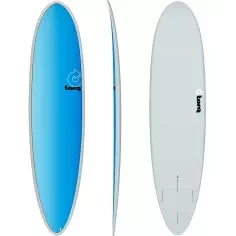
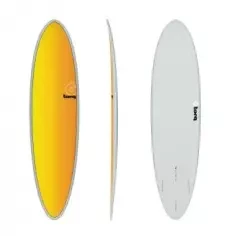
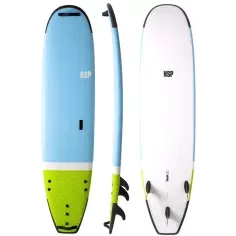
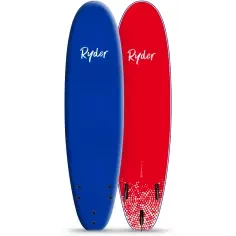
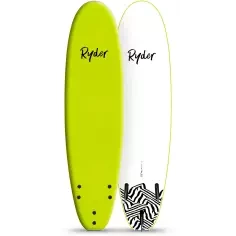
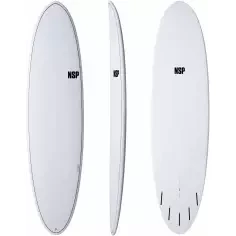
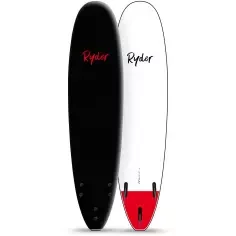
In this section you will find beginner surfboards and softboards designed to help you learn to surf and improve your technique. The choice of your first surfboard will shape how you progress from your very first sessions. Beginner boards are usually wider and longer: they provide stability and paddling power, two key factors for building confidence in the water.
Why choose a beginner surfboard?
A board suitable for learning offers more buoyancy and easier balance. What makes the difference here is simple: with more volume and more width, paddling requires less effort and lets you focus on positioning, reading the wave and popping up. In practice, this results in smoother sessions and more consistent progression.
Key features of beginner surfboards
The criteria that determine the choice of a beginner board are based on three technical parameters: volume in liters, length and width measurements, and construction material. At this level, the most common option is softboards with a foam core: they offer safety against impacts and stable buoyancy. As a useful reference, an adult beginner usually needs between 60 and 90 liters, depending on weight, age and physical condition.
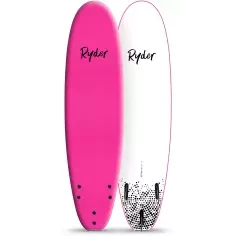
- Softboards: soft material that absorbs impacts, suitable for learning with greater safety.
- Foam boards: high buoyancy and good performance in small, weak waves.
- Progressive construction: designed to remain useful once you start linking basic turns.
- Proportional width and length: better balance and more consistent paddling.
Board types: softboard, progressive and foam
The difference between a softboard and a traditional foam board lies in the feel, flexibility and response under your feet. Softboards usually prioritize comfort and safety on contact, while simpler foam boards focus on buoyancy. Something to keep in mind as you start to progress: a progressive board maintains width and volume but introduces shapes and setups that make more defined turns easier.
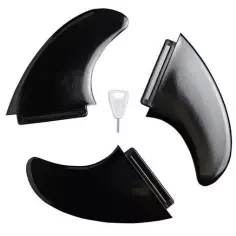
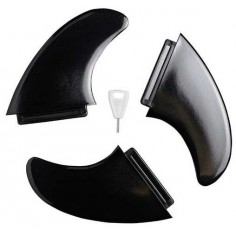
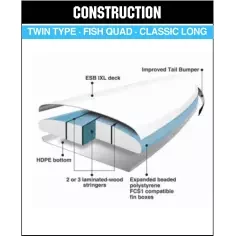
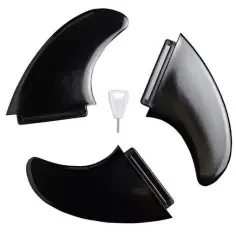
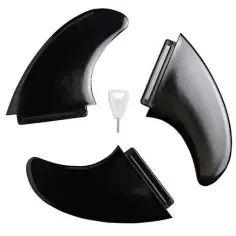
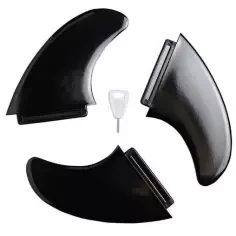
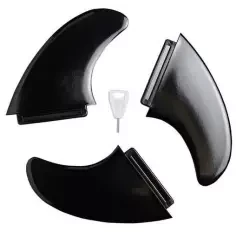
What sets one board apart from another in these conditions is also the deck material and the type of fins included. For beginners, a three-fin setup is usually the most logical choice: it provides directional stability and easily understandable control. Some models feature reinforced epoxy construction, useful when you’re looking for a balanced combination of lightness and durability.
Criteria for choosing your surfboard
If you only remember one point, your board should make paddling easier and offer enough stability for you to stand up consistently. At the initial learning stage, a soft malibu or funboard between 7'0" and 8'0" usually works better than a short, narrow board. The right size depends mainly on your weight, mobility and previous experience in balance or water sports.
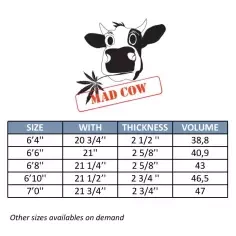
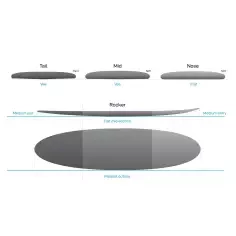
Keep this in mind when comparing options: volume in liters matters more than the visual impression of the shape. A 6'0" x 20.5" board can vary greatly in buoyancy depending on thickness and volume distribution. The same logic applies to other beginner categories: lighter people or younger riders usually progress well with very buoyant boards, while a heavier adult needs more liters and more usable surface.
If you are unsure which size best fits your profile or your usual surfing conditions, Mundo-Surf can guide your choice based on technical criteria. Well-matched equipment helps you avoid common mistakes at the initial stage. In practice, the right board speeds up learning and reduces frustration session after session.