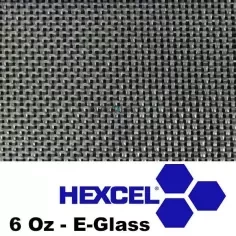
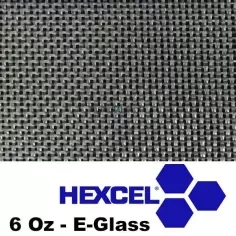
Fiberglass cloth is a woven fabric made from interlaced strands which, when impregnated with polyester or epoxy resin, provides strength and structural stiffness to a surfboard. What makes the difference here is the balance between weight, solidity, and ease of lamination. At Mundo-Surf you’ll find 4-ounce (4 oz) and 6-ounce (6 oz) cloth in two standard widths: 27 and 30 inches.
The deciding factor is usually the actual use of the board. A 4 oz fabric is a better fit for lightweight boards or finishes where lower final weight is desired, while 6 oz offers more solid reinforcement for boards exposed to impacts, pressure, or intensive use. In practice, many layups combine both weights depending on the area to be laminated.
Something to keep in mind when comparing 4 oz with 6 oz: not only the strength changes, but also the flex and the final weight of the laminate. What distinguishes one board from another under these conditions is the balance between maneuverability and durability. If the project is focused on spot repairs, prototypes, or small batches, buying by the linear meter is usually the most logical option; for continuous production, a full roll is more practical.
The standard widths of 27 and 30 inches cover most shaping and repair needs. The 30-inch width gives more margin on wider boards or for cutouts with less waste, while 27 inches can be enough for more compact pieces. If there’s only one takeaway: it’s best to choose the width based on the widest board you’re going to laminate.
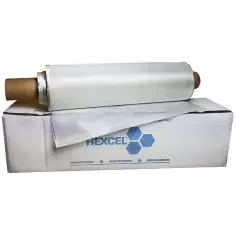
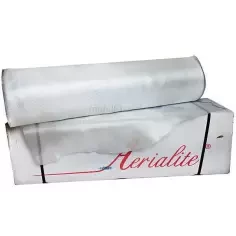
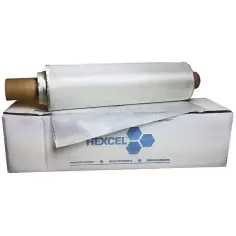
The format also affects day-to-day work. A roll helps maintain consistency in production and reduces intermediate cuts, while buying by the meter is better suited to specific jobs. At Mundo-Surf you’ll find these options with common industry references such as Hexcel and Aerialite.
Frequently asked questions about fiberglass cloth
What is fiberglass cloth and what is it used for in board manufacturing?
It is a technical fabric made from interlaced glass filaments. When combined with resin, it forms the structural laminate that gives consistency to surfboards, bodyboards, and other lightweight constructions. In practice, its role is to protect the foam, distribute loads, and define part of the board’s behavior under pressure.
What is the price of fiberglass cloth per meter and per roll?
The price varies depending on three factors: weight, width, and purchase format. As a useful reference, linear meters are usually around €4.5 to €6 per meter, while rolls of more than 100 meters can start at about €350, depending on the brand and characteristics. Something to keep in mind when calculating the real cost: cutting waste and the number of layers also matter.
How do you repair a surfboard with fiberglass and laminate?
The basic repair consists of cleaning out the damaged area, sanding to improve adhesion, applying resin, laying the fiberglass cloth, and saturating it with a new coat of resin. After curing, it is sanded again to level the surface and, if needed, a final finishing coat is added. What really makes the difference here is using a resin compatible with the board’s construction: polyester for polyester boards, and epoxy for EPS cores or epoxy laminates.
For small dings, one or two layers of 4 oz may be enough. For deeper impacts or areas subject to stress, it usually makes more sense to go up to 6 oz or to combine layers. If there’s only one takeaway: the strength of the repair depends as much on surface preparation as on the fabric chosen.