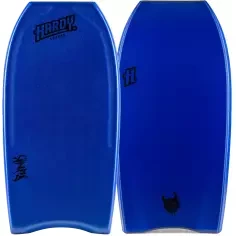
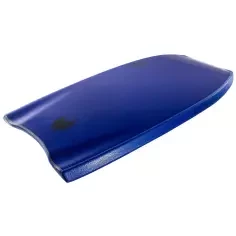
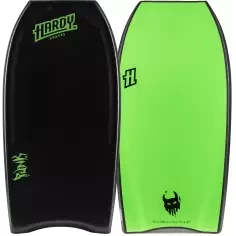
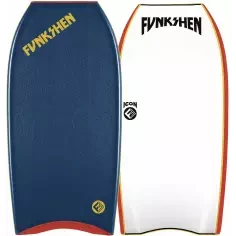
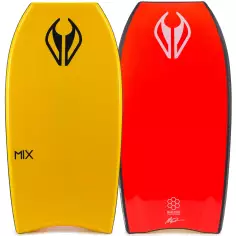
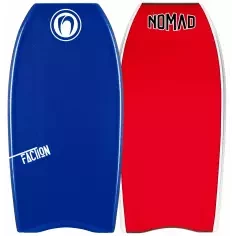
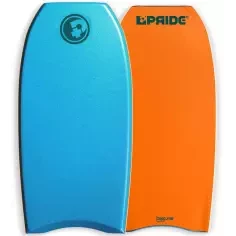
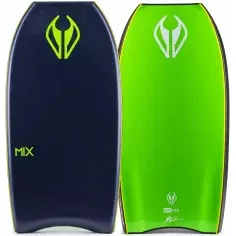
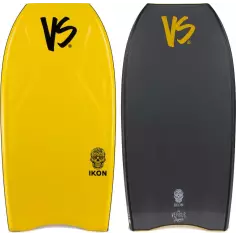
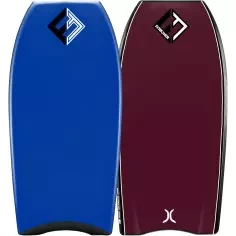
Bodyboards with an NRG core are light thanks to their low-density polypropylene. NRG is a PP-derived material that offers more stiffness than PE, but more flex than traditional PP. What sets one board apart from another in these conditions is that balance: it’s useful for those looking for a versatile bodyboard for cold, mild, and warm waters.
How to choose NRG bodyboards: core characteristics, stiffness and performance
The key here is understanding what an NRG core bodyboard involves. The core material defines how the board responds according to the rider’s weight, the type of wave, and water temperature. If there’s just one takeaway, it’s this: NRG sits in an intermediate position between flexibility and stiffness.
What is the NRG core in a bodyboard? Material, density and stiffness explained
It’s a low-density polypropylene, around 1.2 pcf, used as the structural core of the bodyboard. It offers more stiffness than a PE core, but less than conventional PP. In practice, this intermediate range allows for more controlled flex and a more progressive response in variable conditions.
The internal stringer reinforces the structure and improves durability without adding excessive weight. Something to keep in mind when comparing with other cores: NRG usually offers a more accessible feeling of control than a very stiff core, especially for beginner and intermediate levels. What makes the difference here is not just the lightness, but how that lightness combines with structural support.
When should you choose an NRG bodyboard? Mild and cold waters, and sizing criteria
An NRG bodyboard fits well when you’re looking for versatile use. It works logically in mild waters, such as the Mediterranean, and also in cold waters with a wetsuit, for example between 13 and 18 °C. The deciding criterion here is real use: how often you surf, the usual temperature, and your skill level.
For beginner and intermediate riders, the NRG core usually provides more control than stiffer materials. The combination of core, deck and slick promotes balanced manoeuvrability, without an overly dry or hard feeling under the body. In practice, this helps maintain wave reading and comfort in varied sessions.
Size also affects performance. As a general reference: a 39"–40" can suit lighter riders, 41" often works as a middle ground, and 42"–43" offers more support for taller or heavier riders. When assessing volume, keep in mind: a smaller size will be more reactive, while a larger one will offer more stability and buoyancy.
If there’s just one key point, it’s this: NRG is suitable for anyone who needs an all-round board, with moderate stiffness and a wide range of use in different temperatures. Same logic as for other cores: it’s not advisable to choose based only on the material, but on the combination of size, weight, level, and type of waves. To refine your choice, it can be useful to compare these options with other bodyboards, check the NRG bodyboards available at Mundo-Surf, or contrast their behaviour with PE bodyboards.