Surf clothing isn’t chosen just for looks. In practice, the deciding factor is how each garment performs before, during and after the session: quick drying, freedom of movement, sun protection or warmth when you get out of the water.
At Mundo-Surf, what really makes the difference is being able to match each type of garment to its real use. Someone surfing in summer with 22 to 24 °C doesn’t need the same thing as someone spending time in the wind, at first light, or dealing with temperature changes out of the water.
Surf clothing and T‑shirts for everyone
To choose well, it’s useful to break usage into three blocks: in the water, after the session and daily wear. If there’s only one key point, the right garment is the one that keeps you comfortable without restricting movement or adding unnecessary weight.
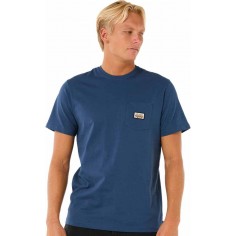
Surf T‑shirts for men and women
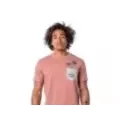
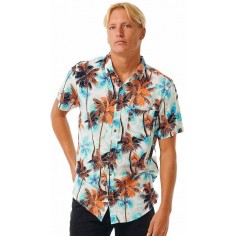
A T‑shirt has different uses depending on the fabric. For everyday wear, cotton or soft blends prioritize comfort; for the beach, travel or hot weather, lightweight, breathable fabrics manage moisture better.
What sets one T‑shirt apart from another in these conditions is the cut and how it wicks away sweat. A regular fit usually works well for general use, while a closer fit is practical when you want less friction under a sweatshirt or jacket.
Surf sweatshirts and sweaters for protection
The outer layer becomes important when you’re out of the water or on windy days. In practice, a medium‑weight sweatshirt is usually enough for mild temperatures, while a thicker option is useful in mid‑season or for dawn and dusk sessions.
Things to consider when choosing a sweatshirt: hood, snug cuffs and drying capacity. They’re simple details, but they help when there’s a breeze, ambient humidity or rapid temperature changes at the beach.
Shorts, boardshorts and surf rash vests
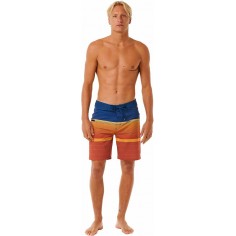
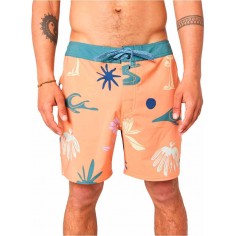
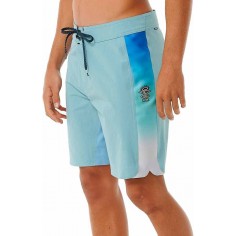
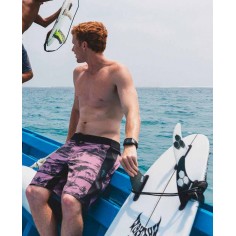
Here, the deciding factor is the intended environment. Boardshorts are designed for the water and should offer lightness, quick drying and secure hold; casual shorts or joggers are a better fit after the session and for getting around.
For rash vests, the important factors are protection and time in the sun. For long sunny sessions, a rash vest with UV protection is especially useful, particularly when the water is mild and you’re not wearing a full wetsuit.
Women’s surfwear, swimsuits and bikinis
For women’s water garments, what really matters is support during movement. A bikini or swimsuit for surfing must stay in place while paddling, duck diving and popping up on the board, not just look good when you’re standing still.
It’s also worth considering coverage, strap style and the fabric’s resistance to saltwater and sun. Same logic as with any technical garment: the more real time you spend in the water, the more important fit and security become compared to design.
Surf clothing and swimwear for kids
For kids, the priorities are protection, ease of movement and tolerance to continuous use. A technical T‑shirt or sun rash vest combined with comfortable swim shorts usually works well on beaches with many hours of exposure.
Things to consider when choosing kids’ sizes: allow reasonable room to move, but avoid garments that are too loose in the water. If the piece shifts around too much, chafing appears and comfort disappears quickly.
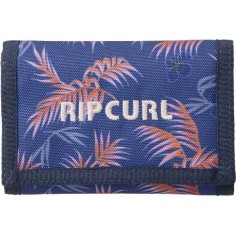
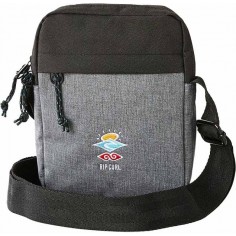
Surf accessories, caps and backpacks
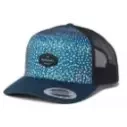
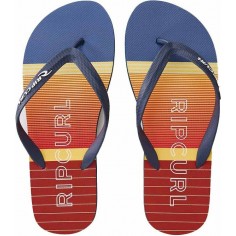
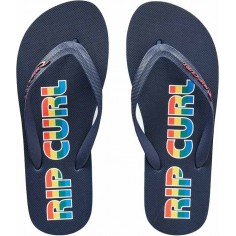
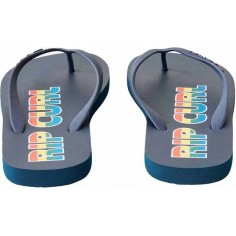
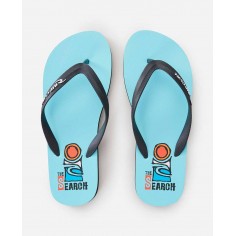
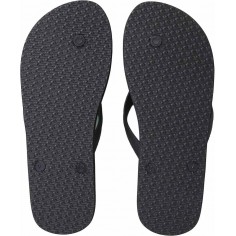
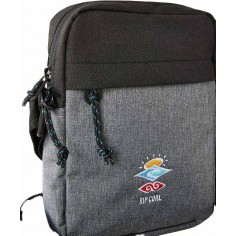
Accessories are also chosen for function. A cap or hat for sun exposure, a durable backpack for wet gear or daily use, flip‑flops for short walks, and neoprene accessories when water or wind calls for extra protection.
What makes a useful accessory stand out from a more generic one in these conditions is how well it’s adapted to the beach environment. Quick‑drying materials, simple fastenings, salt resistance and comfort when carrying or walking are more decisive factors than appearance.
Criteria for choosing surf clothing at Mundo-Surf
- Main use: in the water, after the session or daily wear.
- Typical conditions: strong sun, wind, humidity or mild temperatures.
- Type of garment: breathable T‑shirt, sweatshirt, boardshorts, rash vest or technical accessory.
- Fit: freedom of movement without excess fabric.
- Material: quick‑drying, breathable or insulating, depending on the context.
- Session length: the more time at the beach or in the water, the more important protection becomes.
- User profile: man, woman, child, and occasional use versus frequent use.