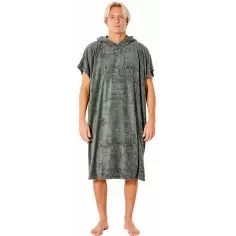
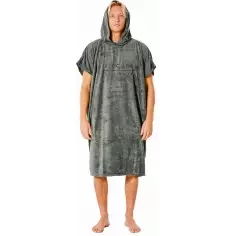
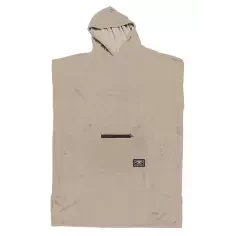
Surf poncho: the practical way to get changed at the beach
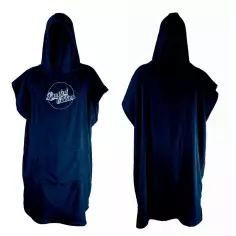
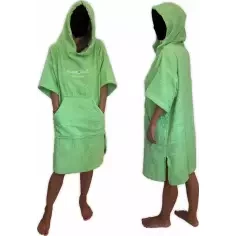
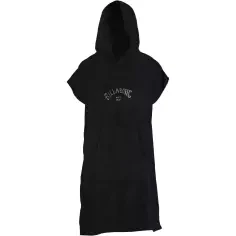
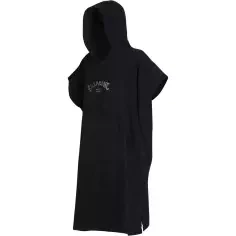
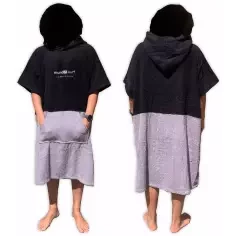
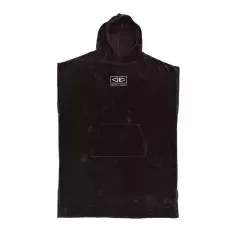
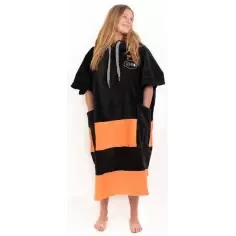
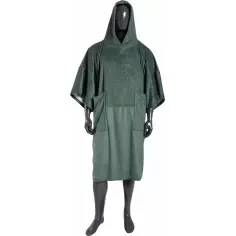
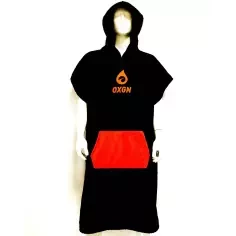
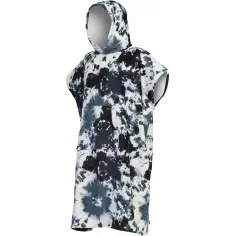
The surf poncho is a practical accessory that lets you get changed while preserving your privacy and reducing the feeling of cold when you come out of the water. In practice, it serves two clear purposes: providing coverage while you change and drying you reasonably well between sessions. Today there are options for adults and children, with differences in fabric, size and bulk that are worth checking before choosing.
Key criteria for choosing a surf poncho
- Fabric and materials: the main choice is usually between microfiber and cotton. Microfiber weighs less, takes up little space and dries quickly; cotton offers a softer feel, more warmth and gradual absorption.
- Size: something to keep in mind when you want real comfort while changing. Unisex models usually provide good coverage for heights between 165 and 185 cm, but it is worth checking width, length and sleeve opening according to body type.
- Hood: helps block the wind and retain some warmth after the session. It also adds discretion while you’re getting changed.
- Pockets: useful for keeping wax, keys or a protected phone while you’re on the shore or in the car park.
Surf ponchos for men and women: differences and similarities
In practice, the function is the same regardless of gender. What usually distinguishes one poncho from another in this regard is the cut: some models offer more room in the shoulders and chest, while others are slightly more fitted in overall width or length.
If you have to focus on one point, prioritize freedom of movement while changing. A cut that is too tight makes it harder to use, especially with a wet wetsuit or on windy days.
Kids’ surf poncho: comfort and real-world use for children
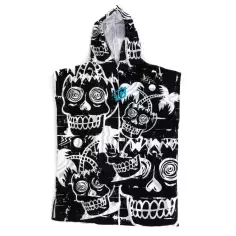
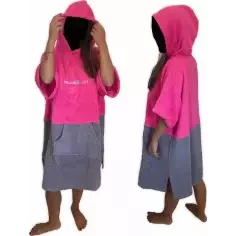
Kids’ ponchos follow the same logic as adult ones, but with adapted measurements and less weight. For children who surf or bodyboard, the key is that they can dry off and get changed without being exposed to the wind, especially in water below 20 °C.
When choosing a kids’ size, bear in mind that the length should provide good coverage without dragging on the ground, and the hood should not fall over the eyes. A soft, quick-drying fabric generally makes it much easier to use between dips.
Materials and absorption: what to look for in a towel poncho
The key difference here is the fabric. A microfiber poncho usually dries faster, weighs less and works well for trips, van life or back-to-back sessions. A cotton model offers a warmer feel, which is useful in the wind or at dawn.
In practical terms, microfiber is all about packability; cotton is about thermal comfort. The deciding factor is usually the main use: frequent travel and limited space, or a priority on comfort after getting out of the water.
What to consider before deciding
If you’re only going to use it occasionally in summer, a light and compact poncho usually covers your needs well. If you’ll be using it all year round, especially in windy conditions or after sessions in cold water, it’s worth looking at fabric weight, coverage and real drying capacity.
At Mundo-Surf, the goal is not to gather as many different models as possible, but to help you choose according to real use. If there’s one thing to focus on, it’s choosing the fabric and size based on how, when and how often you’re going to use it.