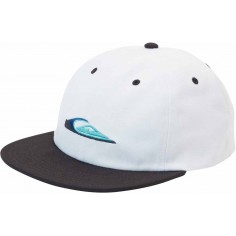
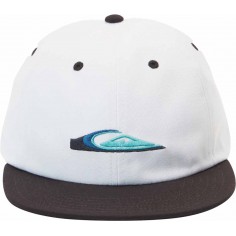
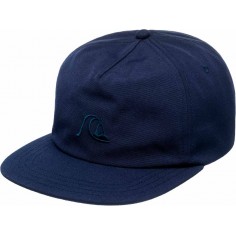
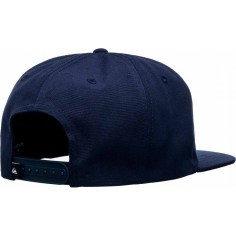
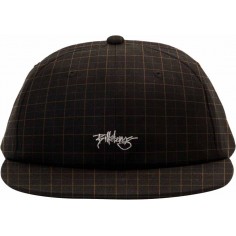
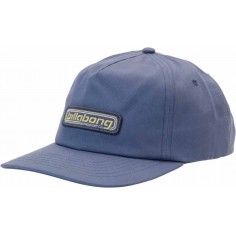
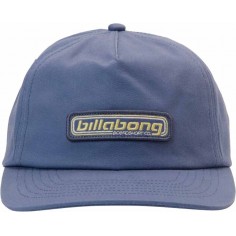
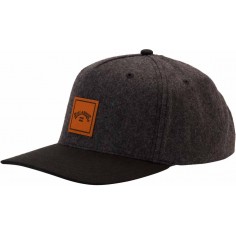
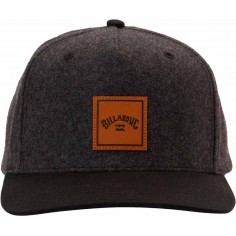
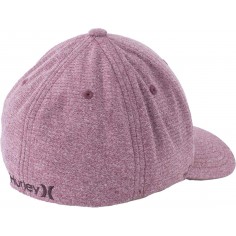
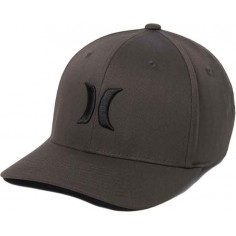
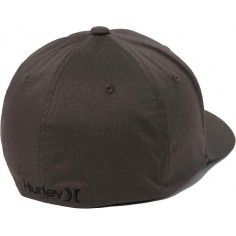
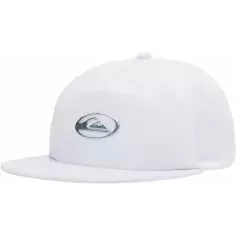
Men’s surf caps: trucker, snapback and adjustable, style and comfort in and out of the water
Choosing a surf cap isn’t just about style. Between a mesh trucker and a more compact snapback, the real deciding factor is how you’ll actually use it: long sessions in the sun, time at the beach, daily commutes, or a mix of all three.
What really makes the difference here is ventilation, fit and sun protection. In practice, a cap designed for prolonged use under intense sun doesn’t perform the same as a model geared towards urban wear or short trips.
Surf cap models: trucker, snapback, bucket hat and flexfit
Each format responds to a specific need. If there’s only one point to keep in mind, it’s useful to first separate the most ventilated models from those that prioritize fit or coverage.
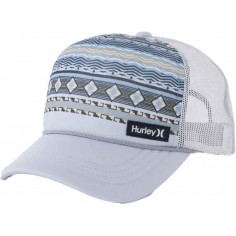
- Trucker: structured front panel and mesh sides, usually in a 5-panel construction. Worth considering when you’re looking for high breathability in warm climates, especially from 22 °C upwards.
- Snapback: adjustable back closure with simple fitting. Works well when you need a flexible size, for example for head circumferences between 56 and 61 cm.
- Flexfit: more uniform elastic fit, without such a pronounced pressure point as some rigid closures. It’s usually useful for long, continuous use.
- Bucket hat: wider coverage at the front, sides and upper neck area depending on the design. What sets one board apart from another in those conditions doesn’t apply here: with caps, the key difference is the actual shaded surface.
Technologies and features: quick-drying, ventilation and materials
When choosing a cap for marine environments, it’s better to focus less on the commercial name of the technology and more on its practical effect. What matters here is whether the fabric wicks moisture, keeps the weight down when wet, and dries quickly between sessions.
- Quick-dry fabrics: reduce water retention and shorten drying time after exposure to salt or sweat. In practice, they’re more useful in summer or for everyday beach use.
- Lightweight, breathable fabrics: help limit heat buildup on the head and forehead. They’re especially relevant in high temperatures and light winds.
- Organic cotton and responsible blends: prioritize a lower-impact construction, although it’s worth remembering that pure cotton usually dries more slowly than technical fabrics.
- Structured or curved brim: improves visual comfort by reducing glare. Worth bearing in mind when you spend long periods facing water reflections.
Colors and designs: how to choose according to use and care
Color isn’t just an aesthetic issue. In practice, dark tones like black, navy or anthracite grey hide signs of continuous use better, while light colors reflect a bit more solar radiation.
If it’s going to be used frequently at the beach or for skating, neutral tones usually require less visual upkeep. For a more relaxed look, greens, earthy tones or two-tone combinations work well without changing the main buying criteria: fit, ventilation and coverage.
Sustainable surf caps: what to look for
When it comes to sustainable materials, the deciding factor shouldn’t be just the eco label. Durability also matters: a cap that keeps its shape, seams and brim after repeated use helps reduce premature replacement.
Mundo-Surf brings together options in organic cotton and more responsible constructions. If there’s only one key point, it’s worth checking composition and resistance rather than focusing solely on the outer finish.
Sun protection and resistance to salt water
For prolonged exposure, a cap helps, but it doesn’t replace other measures. In high UV conditions, common from index 6 upwards, an effective brim should be combined with sunscreen, a UV-protective shirt if needed, and monitoring of exposure time.
Resistance to salt water depends mainly on the seams, brim construction and fabric quality. Important to consider when it’s used regularly near the sea: salt stiffens materials and speeds up wear if they aren’t rinsed with fresh water afterwards.
Brands available at Mundo-Surf
Brands like Quiksilver, Billabong, Rip Curl, Vissla or Hurley cover different approaches, from classic designs to models with technical fabrics or more responsible materials. In this category, what matters isn’t the brand by itself, but how it delivers on three points: fit, ventilation and durability.
If the cap is going to be used mainly at the beach and in summer, it’s best to prioritize breathability and drying. If use will be mixed between beach, city and skate, a comfortable fit and a stable brim usually pay off more.