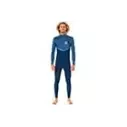
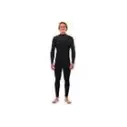
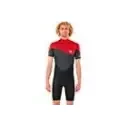
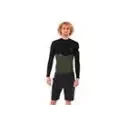
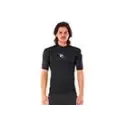
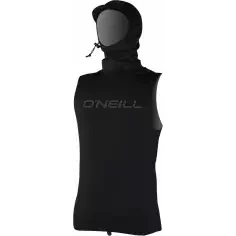
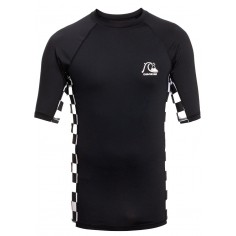
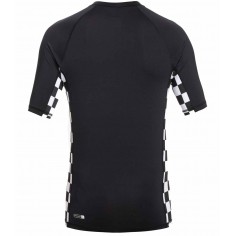
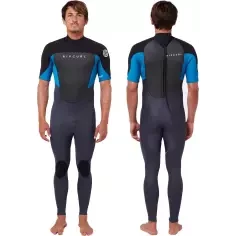
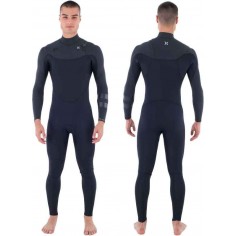
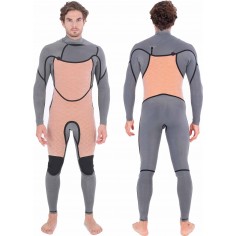
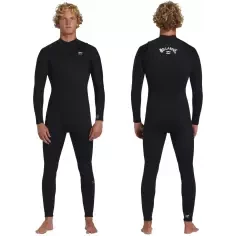
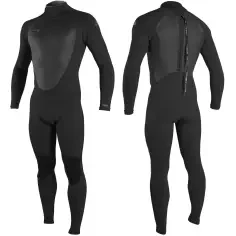
Men’s wetsuits are chosen first and foremost based on water temperature, skill level, and type of closure. What makes the difference here is not only the thickness: patterning, stretch, and how easy it is to get in and out of the suit also matter.
Men’s wetsuits with zips: thermal protection in cold and temperate water
A men’s wetsuit with a zip lets you extend your session with more stable body temperature and better comfort. In practice, neoprene reduces heat loss and helps maintain performance in both cold and temperate water. Men’s wetsuits with a chest zip or back zip are the standard solution for staying warm in cold and mid‑temperature waters.
The deciding factor is usually a simple combination: the usual water temperature at your spot, your personal sensitivity to cold, and the average length of each session. Something to keep in mind when comparing models: the same thickness can perform differently depending on the seams, sealing, and flexibility of the material.
Men’s wetsuit thicknesses: from 5/4 mm to 2 mm for cold water and full suits
Thickness is the first useful reference. If there’s only one point to remember, it would be this: the colder the water, the more important it is to prioritise insulation over stretch.
- 5/4 mm and 4/3 mm: suitable for winter and cold water, roughly below 14–15 °C. What sets one board apart from another in these conditions, applied to neoprene, is the balance between warmth, weight, and mobility; in this range, a well‑sealed fullsuit with high‑density neoprene is the most logical option.
- 3/2 mm: designed for mid‑season and temperate waters, approximately between 18 and 20 °C. In practice, it’s the most versatile thickness for spring, mild autumn, and sessions where you want shoulder freedom without losing too much protection.
- 2 mm or less: intended for summer and warm water, usually above 20–22 °C. Here, short wetsuits like shorties or springs offer maximum freedom with minimal protection.
It’s also worth relating thickness to the level of physical demand. A surfer who spends a lot of time paddling or a bodyboarder who gets in at dawn will usually need more thermal margin than someone who only has short sessions at midday.
Types of men’s wetsuits: shorty, back zip, spring, steamer and full suit with zip
The type of wetsuit changes both protection and freedom of movement. What really makes the difference here is the actual body coverage and zip position: arms, legs, and lower back become critical when water temperature drops or the wind picks up.
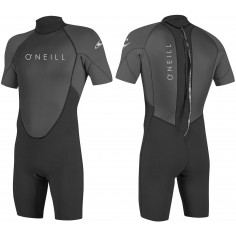
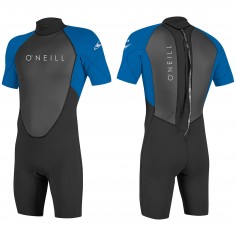
- Shorty: a short wetsuit, usually 2 mm or less, with short arms and legs. One thing to bear in mind when considering this option: it works well in summer and warm water, but offers less protection against wind and prolonged cooling.
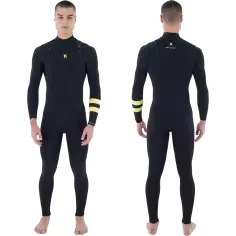
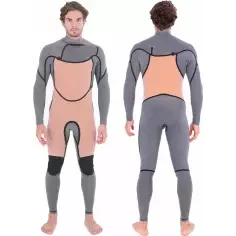
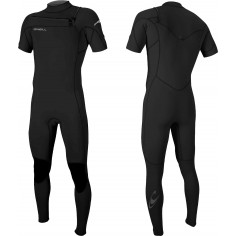
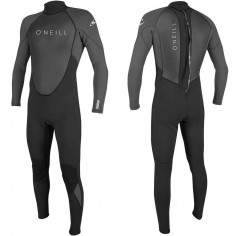
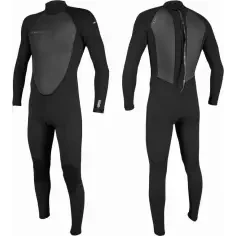
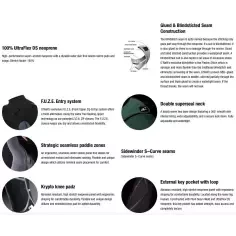
- Full suit: full arm and leg coverage in 3/2 mm, 4/3 mm, or 5/4 mm neoprene. In practice, it’s the go‑to choice for those who surf regularly outside of summer or spend a long time in cold water. GBS (Glued and Blindstitched) is the most common seam technique in these suits thanks to its durability.
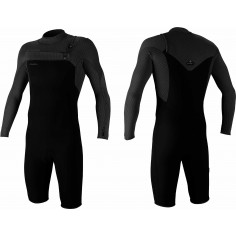
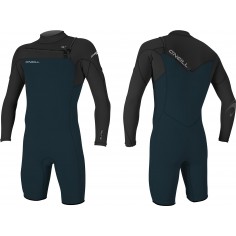
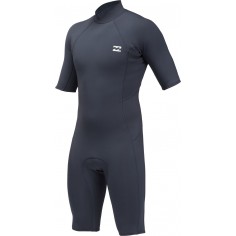
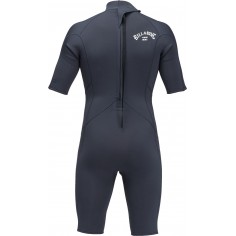
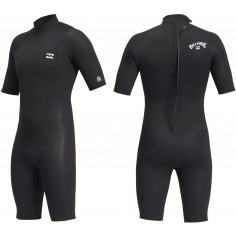
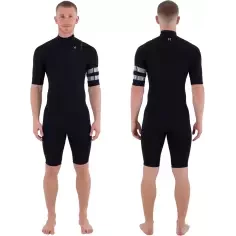
- Spring suit: an intermediate wetsuit with short or long sleeves and short legs. It’s useful in between seasons, when a shorty is not enough and a full cold‑water suit is still too warm. It’s common in 2/1 mm or 3/2 mm thicknesses.
- Steamer: refers to a full wetsuit with long sleeves and long legs, designed for sessions in temperate or cool water. Same logic as a full suit: the balance between insulation and mobility is key in 3/2 mm to 5/4 mm neoprene.
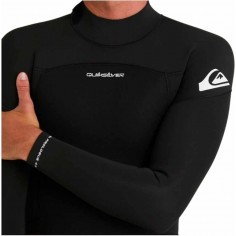
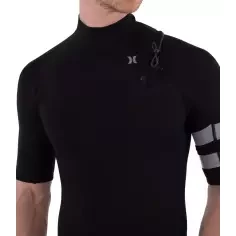
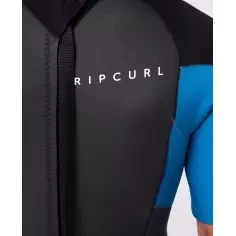
The wetsuit’s closure system changes how the suit actually performs. A front zip usually offers better sealing and less water entry in cold water; a back zip (back zip) makes the suit easier to put on; zipperless models prioritise stretch, although they require more precision in sizing. In competition suits, some brands combine a chest zip with thicker side panels.
When hesitating between closure systems, keep this in mind: if your priority is ease of getting dressed, back zip remains a clear reference; if you’re looking for a better fit and sealing for cold‑water sessions, a chest zip usually has the edge. For intermediate and advanced users who wear wetsuits regularly, this difference is especially noticeable on long winter sessions.
Find your men’s wetsuit with zip: filters by thickness, back zip and size
To really narrow down your choice, it’s best to cross‑check four key points: neoprene thickness, suit type, closure system — chest zip, back zip or zipperless — and size. If there’s only one point to remember, it would be this: a highly technical wetsuit is of little use if the size does not fit properly at the shoulders, chest, lower back, and behind the knees.
At Mundo‑Surf, the filters let you sort your search by thickness, suit type (shorty, spring, full suit, steamer), closure (chest zip or back zip), and price range. What really helps you decide here is starting from your actual use: regular cold‑water winters, summer, mid‑season, short sessions, or long sessions with a specialised wetsuit.
As a fit reference, the wetsuit should be snug without restricting breathing or paddling. In practice, if you notice water pockets in the lower back or excessive tension in the shoulders and neck, the size or cut is not right. A good fit guarantees the suit’s thermal efficiency.
It’s also worth checking the additional conditions before deciding: returns policy, size availability, and price range for wetsuits with zips. Mundo‑Surf provides this information so you can compare with a more useful base, tailored to the way you surf, whether in warm or cold water.