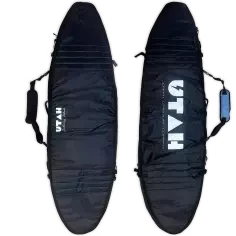
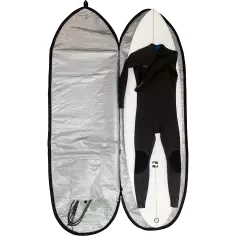
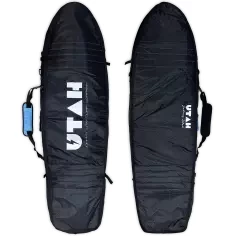
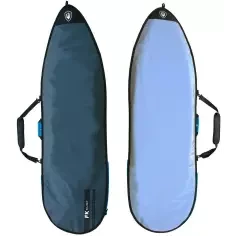
Surfboards are fragile, and protecting them with a board bag is essential. They suffer from sun exposure and from impacts during transport. In practice, the key factor that determines your choice is the type of journey: short trips to the break, frequent car travel or air transport with one or several boards.
What makes the difference here is not only the length of the bag, but also the actual level of protection the board needs. When transporting a board, keep in mind that the bag should fit well, limit internal movement and provide the right padding for its intended use.
Surfboard bag guide: types, sizes and protection for your board
How to choose a surfboard bag according to how you use it
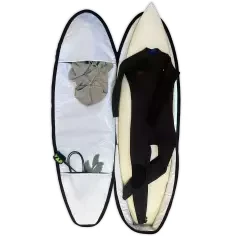
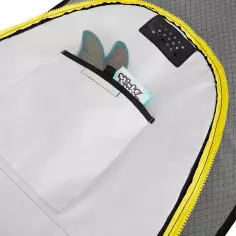
The first criterion is to check that the bag matches the length and width of your surfboard. After that, usage details come into play: space for fins or accessories, ventilation system to reduce moisture, and handles or shoulder strap to make it easier to carry.
If there is only one takeaway, it is this: you do not choose a suitable bag based only on the nominal size. What sets one board apart from another in these conditions is often the maximum width, thickness and the shape of the nose or tail.
Correct surfboard bag size: sock, padded and reinforced
The correct size depends on the type of bag and the internal allowance each manufacturer provides. In practice, it is always worth checking the technical sheet, especially if your board is wide, has a lot of volume or a non-standard outline.
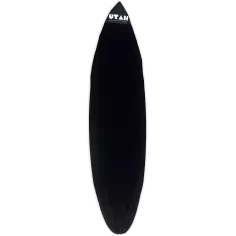
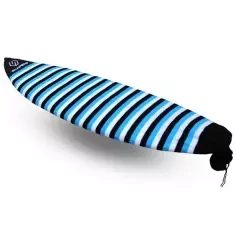
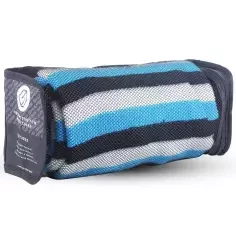
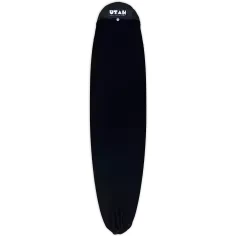
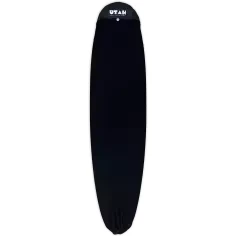
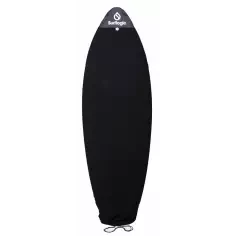
- Surfboard sock cover: usually you choose the same length as the surfboard or a slightly longer size. It provides basic protection against scuffs, dust and moderate sun exposure.
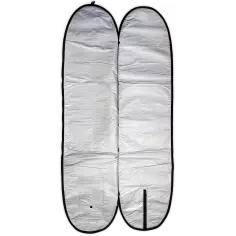
- 5 mm padded board bag: it usually works well in the same size as the board or with 1 extra inch. It is a useful reference for frequent car trips and for boards that need an intermediate level of protection against light impacts.
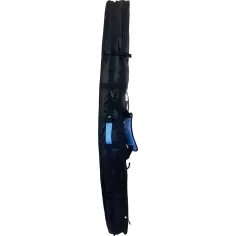
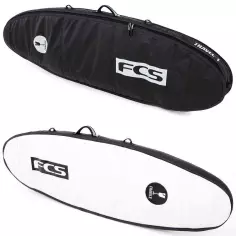
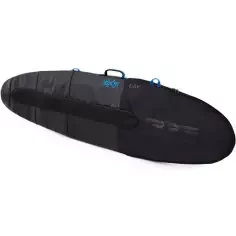
- 10 mm reinforced travel bag: it may require a larger margin, from several inches up to 1 extra foot depending on the shape of the board and how many boards are being transported. It is designed for trips, checking in on flights or situations where impacts are more likely.
Checking if your surfboard bag is suitable: width and size of your board
Besides the length, it is worth checking the maximum internal width of the bag. This measurement usually appears in the product specs and is crucial when it comes to fish, evolutions, mid-lengths or boards with a lot of volume in the centre area.
What makes the difference here is avoiding a bag that fits “tight” in length but does not close properly due to width or thickness. As mentioned earlier, the same logic applies to boards with fixed fins or added protectors: the total volume changes and the bag has to account for that.
Types of surfboard bags: sock, padded and reinforced travel bags for your board
The type of bag is defined by the level of protection needed during transport. At Mundo-Surf, the choice can be grouped into three clear uses: daily, short journeys and travel.
- Daily use and short trips to the beach: a surfboard sock cover is usually enough. It protects against scuffs, sand and light sun, but it is not designed to absorb major impacts.
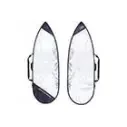
- Short trips and frequent car transport: a 5 mm padded surfboard bag offers a useful balance between protection and bulk. Worth considering when the board spends time in the boot or is handled several times a week.
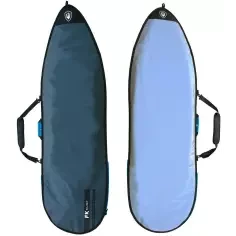
- Air travel or more exposed transport: a boardbag or 10 mm reinforced travel surfboard bag is the most suitable option. What sets one board apart from another in these conditions is the need to absorb impacts, protect the rails and reduce risks during loading and unloading.
If there is only one takeaway, it is this: the more uncertain and demanding the transport, the greater the padding and the better the fit of the bag should be. In practice, a very basic bag may be fine for everyday use, but falls short as soon as trips, long hours in the sun or intensive handling come into play.