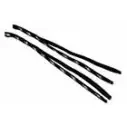
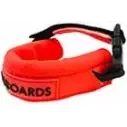
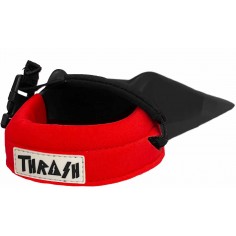
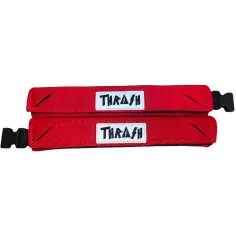
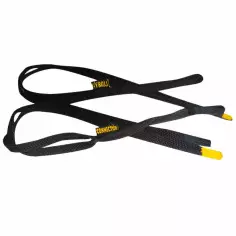
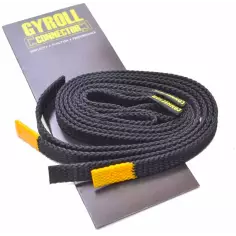
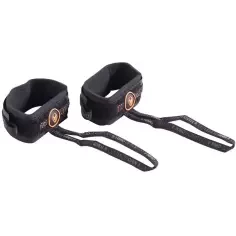
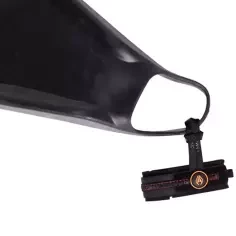
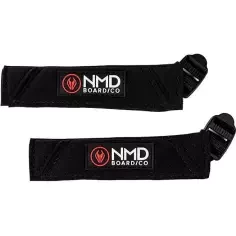
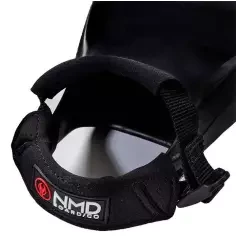
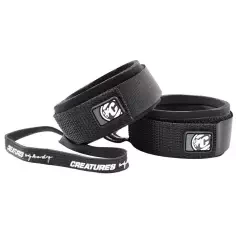
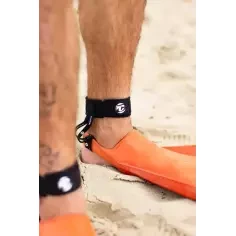
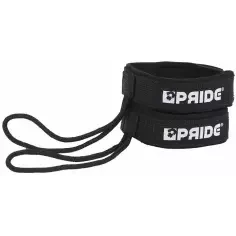
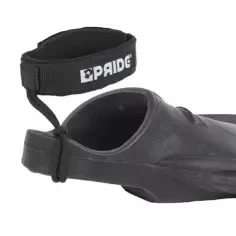
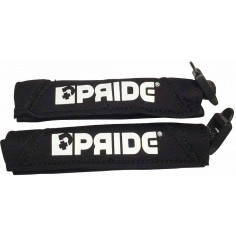
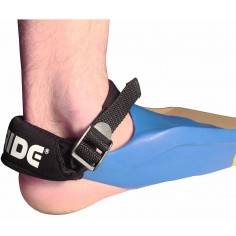
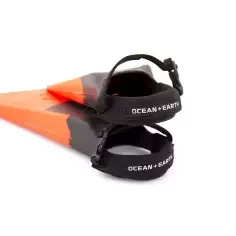
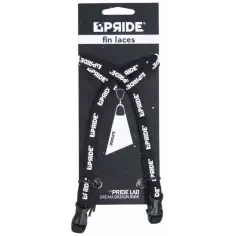
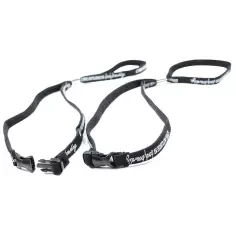
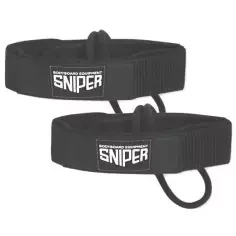
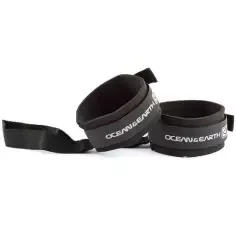
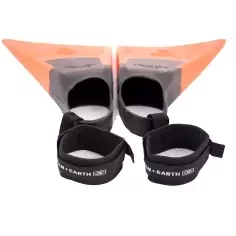
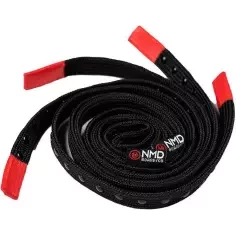
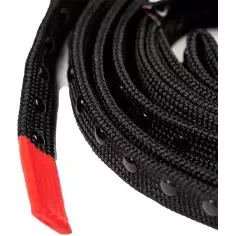
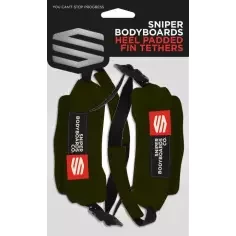
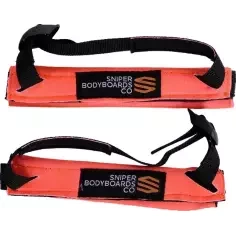
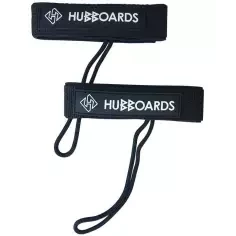
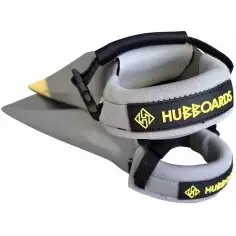
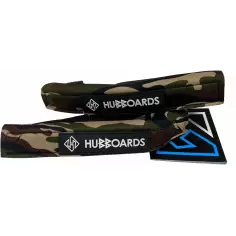
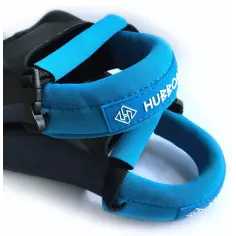
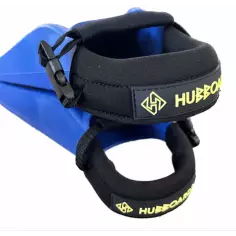
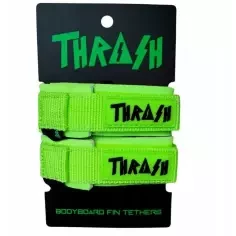
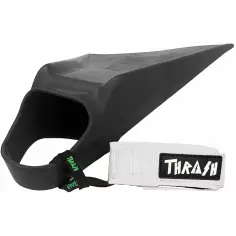
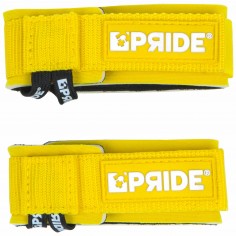
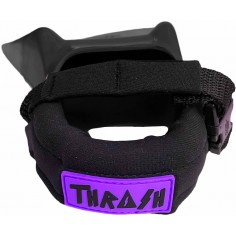
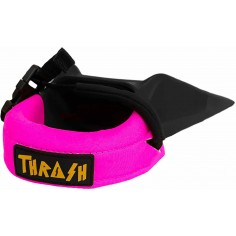
Fin tethers keep your bodyboard fins from getting lost when they come off in a wipeout or in a set with strong currents. They connect your ankle to the fin with a simple attachment system: if the fin comes off your foot, the tether keeps it close and makes it easy to grab immediately.
In this category, the key factor is the balance between safety, ankle comfort and overall durability. What really makes the difference isn’t just the closure, but also the type of cord, the chafe protection and how well the strap performs in long sessions or frequent entries into cold water.
How to choose bodyboard fin tethers
What they are and what they’re for
Bodyboard fin tethers are accessories designed to keep your ankle and fin connected if the fin comes off. In practice, they’re especially useful in powerful beach breaks, days with lateral current or sessions with lots of kicking when paddling in and out of the lineup.
If there’s one key point, it’s this: they help you avoid losing a fin at the most awkward moment of the session. They also cut down the recovery time between hold-downs, which matters when surfing with snug fins that aren’t overly tight on your feet.
How the attachment system works
The system is straightforward: one end is fixed to the ankle with Velcro or a strap, and the other is connected to the fin via a cord or tether. The criteria that distinguish one board from another don’t apply here; what sets one system apart from another is the balance between secure hold, minimal stretch and comfort during prolonged use.
Things to consider when choosing a strap: a closure that’s too loose can twist around, while one that’s too tight can become uncomfortable after 45 to 60 minutes in the water. As a rule of thumb, you want a firm fit that doesn’t cut off circulation and leaves enough room for a thin bootie if the water drops below 18 °C.
Types of straps and tethers
There are several formats of bodyboard fin tethers. The logic is the same as for other technical accessories: first consider the closure system, then how it connects to the fin, and finally the chafe protection.
- Straps with Velcro ankle closure and a durable cord to the fin: a simple option that’s easy to adjust.
- Tethers with a connecting cord between both ends: they prioritise retention and are usually preferred by those who want a very direct setup.
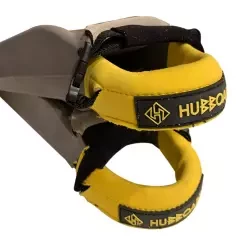
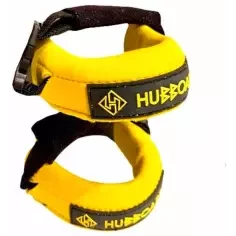
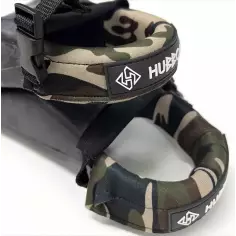
- Models with strap, Velcro and neoprene padding where they contact the fin or ankle: designed to improve comfort in long sessions.
There isn’t one single system that works for everyone. The deciding factors are usually the type of waves, how tight the fins fit and how sensitive the skin is around your ankle or instep.
Which model to choose for your needs
For beginner or intermediate level, a strap with wide Velcro and easy adjustment is usually enough. It’s quick to put on and take off and offers a comfortable margin for 1–2 hour fun sessions.
For more frequent use, in more powerful waves or strong currents, you’ll want to focus on two things: cord strength and chafe protection. The key here is that the system remains stable even when the fin is ripped off your foot with force.
If you use 2–3 mm booties, make sure you’re not at the limit of the strap’s length adjustment. When the water is cold, the extra neoprene volume changes the tension around the ankle and may require a strap with a bit more adjustability.