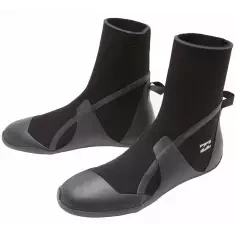
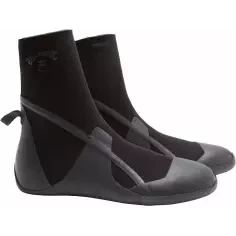
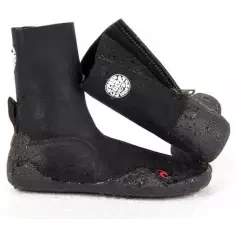
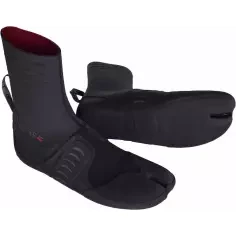
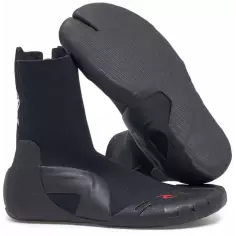
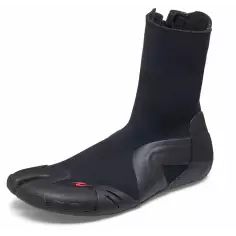
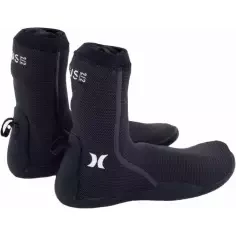
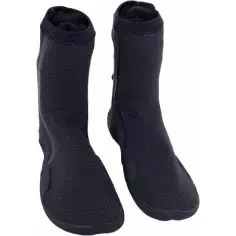
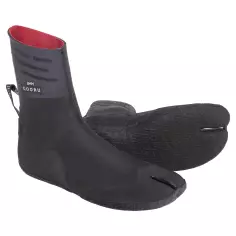
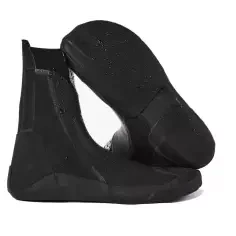
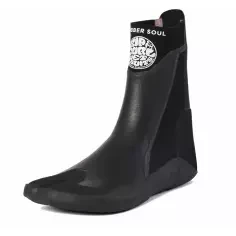
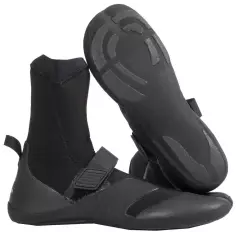
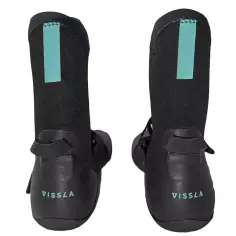
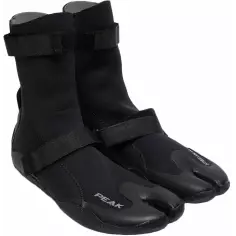
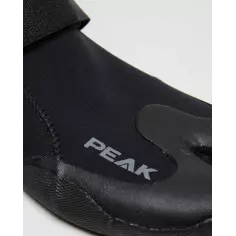
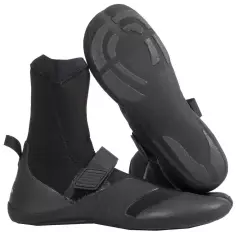
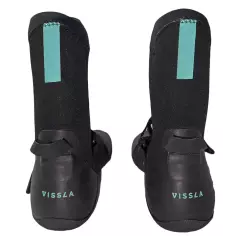
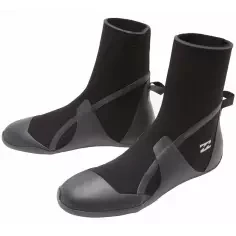
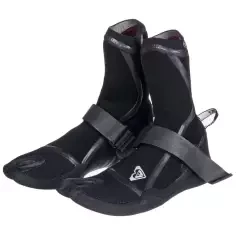
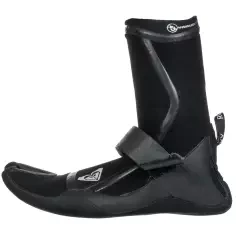
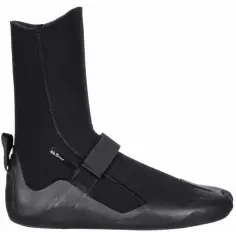
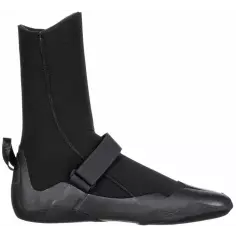
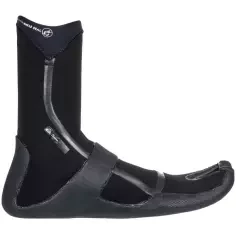
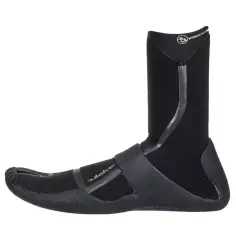
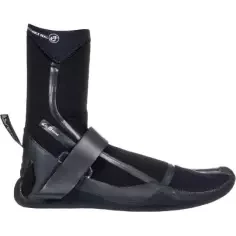
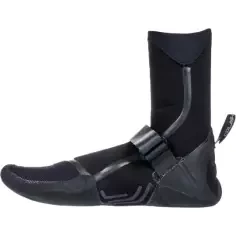
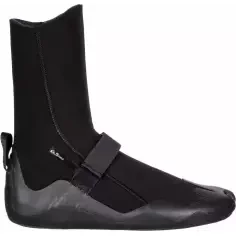
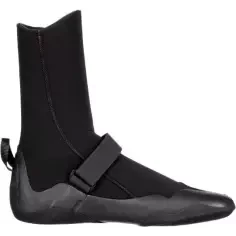
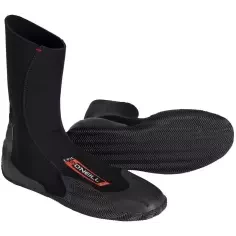
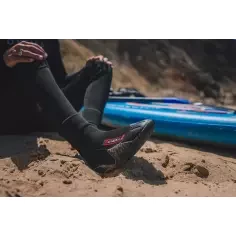
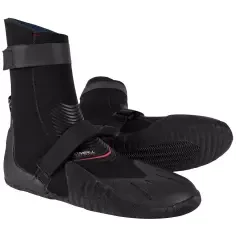
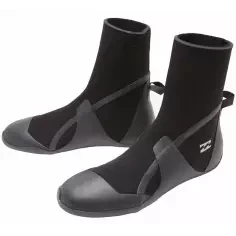
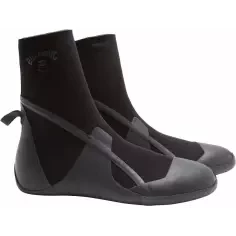
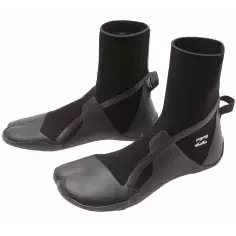
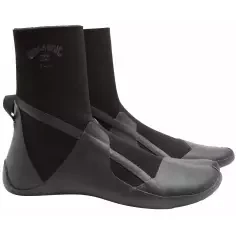
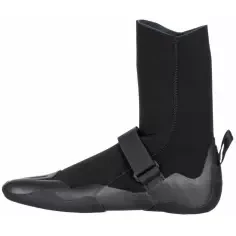
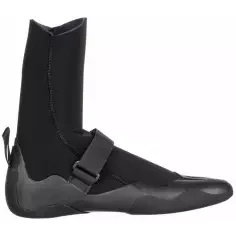
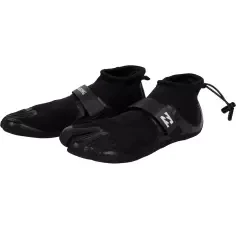
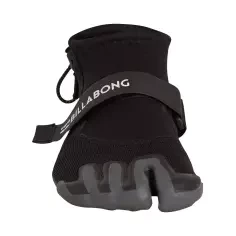
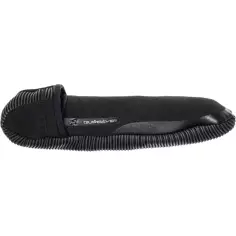
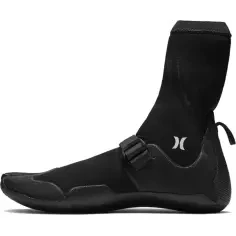
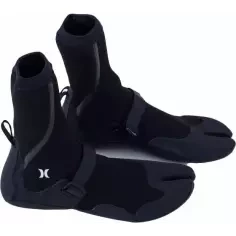
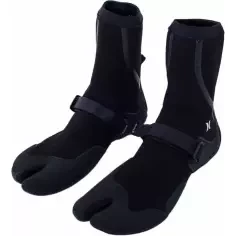
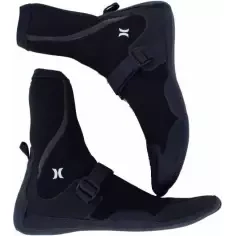
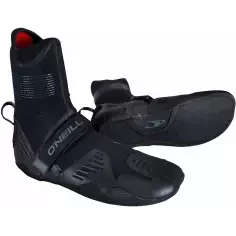
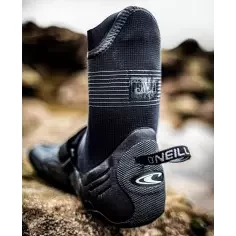
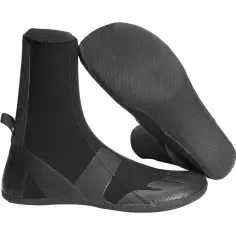
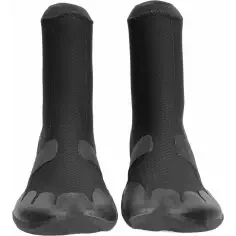
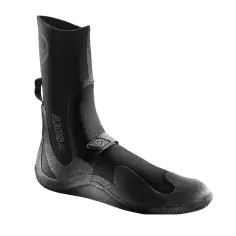
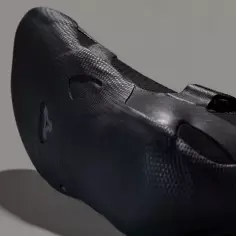
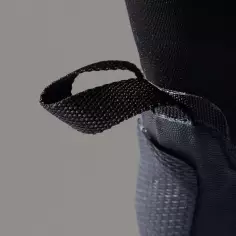
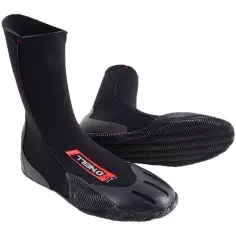
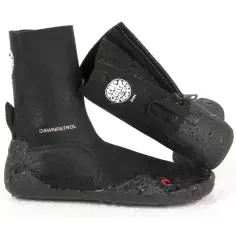
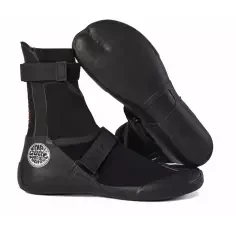
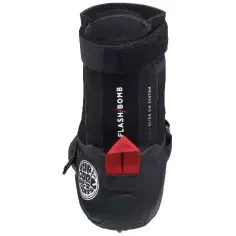
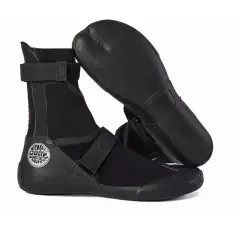
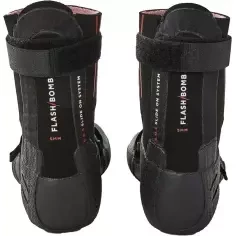
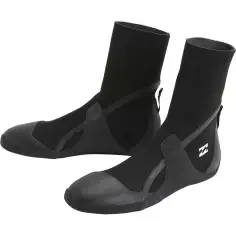
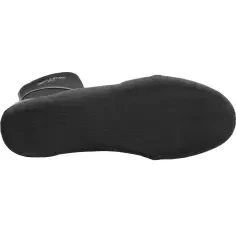
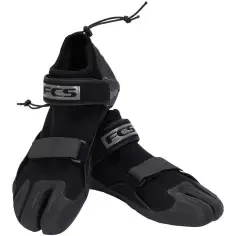
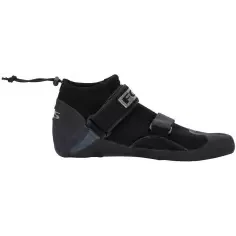
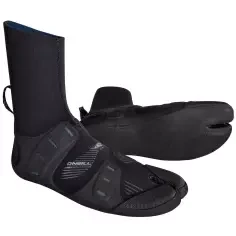
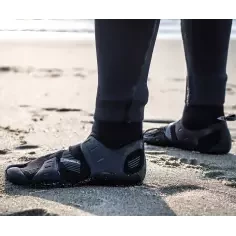
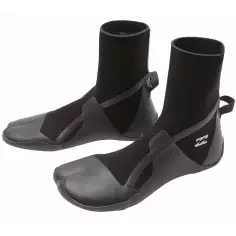
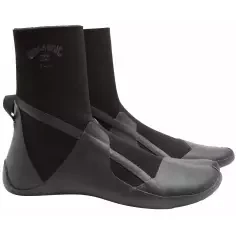
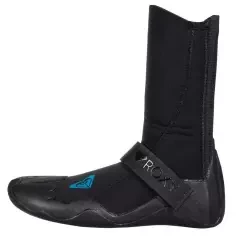
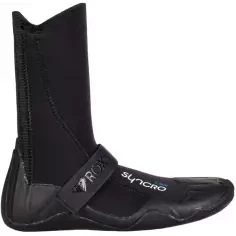
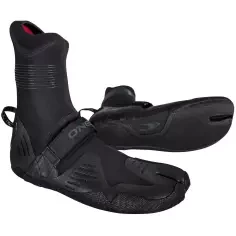
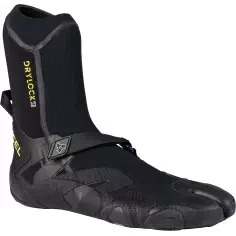
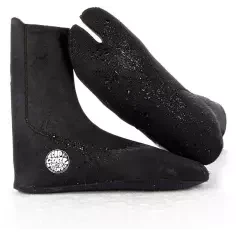
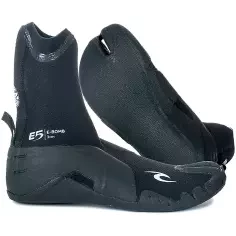
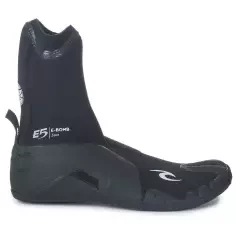
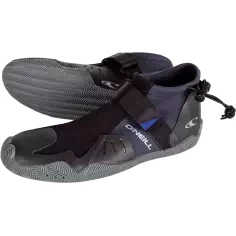
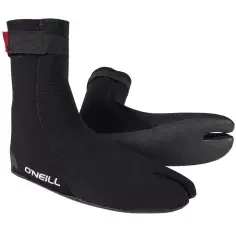
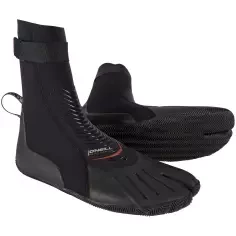
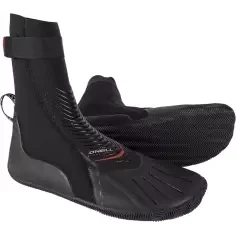
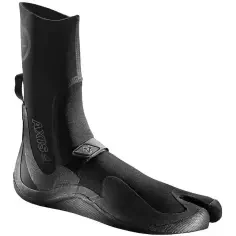
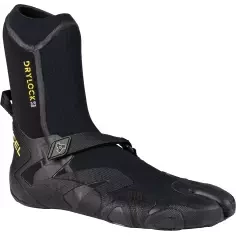
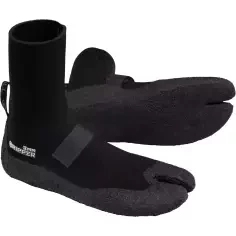
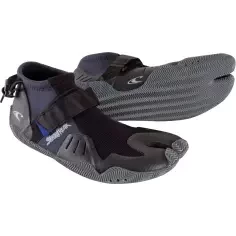
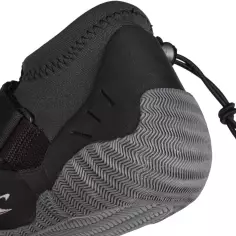
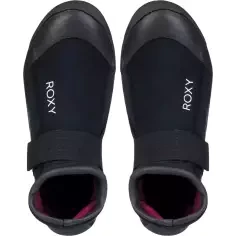
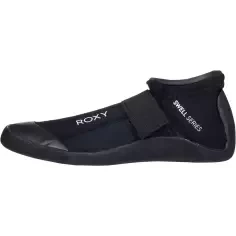
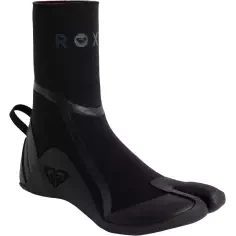
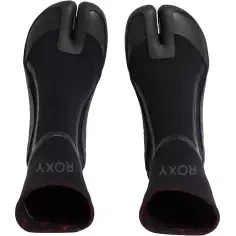
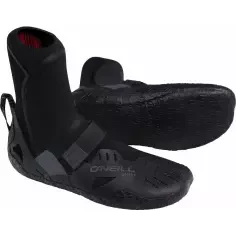
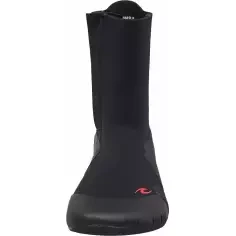
Surf booties have a double function: protecting your feet from rocks and coral, and insulating them from the cold water. They are available in low- and high-cut versions, and in various thicknesses depending on whether you want protection from the reef, from the cold, or from both. The key criteria when choosing are the water temperature, the type of seabed, and the actual fit during the session.
Buying guide: neoprene surf booties and foot protection
What are surf booties and how do they protect your feet?
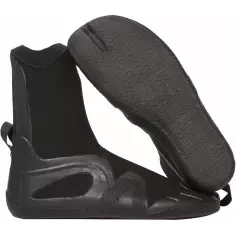
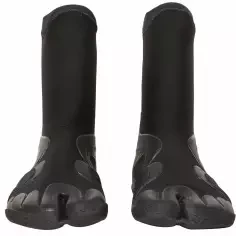
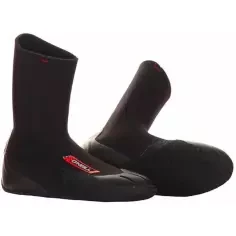
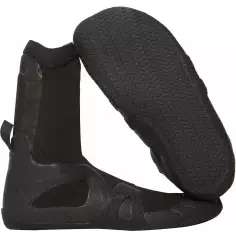
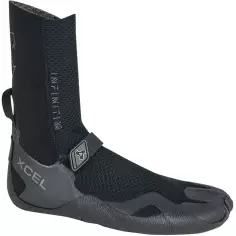
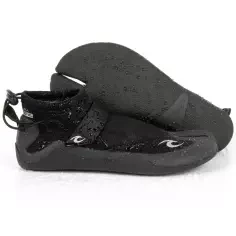
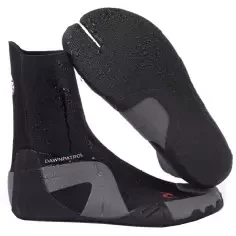
Booties, also known as reef shoes or surf boots, are lightweight water footwear. They are usually made of neoprene and are used mainly in water sports such as surfing and bodyboarding. They come in low- and high-cut versions, with different thicknesses and constructions: some with split toes (split toe) and others with all toes together (round toe).
What really makes the difference here is the balance between thermal insulation, sole protection and board feel. In practice, a thinner model offers more sensitivity and freedom, while a thicker one prioritizes warmth and protection when the water gets colder.
What are neoprene booties used for in surfing?
Neoprene booties serve two main purposes: reducing rubbing and cuts on rocks or coral, and limiting heat loss in cold water. They are especially useful for tricky entries, uneven bottoms and winter sessions. The thickness of the neoprene directly determines the level of thermal insulation.
One thing to keep in mind when surfing spots with reef or rock: protection does not depend only on thickness. The sole, the ankle fit and the overall stiffness also play a role, because what sets one board apart from another in these conditions also applies to your feet: control and sensitivity are still important.
How to choose surf booties: size, thickness and types
Size is the first criterion. A bootie should fit snugly, with no air pockets or excess space in the toe box, because if it’s too big it will tend to fill with water and lose thermal efficiency. Each brand may vary slightly, so it’s always advisable to check the size guide for that specific model.
In practice, there shouldn’t be extra centimeters of space, and they shouldn’t move when walking or when standing on the board. If you only remember one rule, it’s this: the fit must be firm, but without pressure points that make your foot go numb.
The second criterion is neoprene thickness. For mild waters or occasional sessions, surfers usually go for 2 mm or 3 mm booties; for cold winter conditions, the usual choice is 5 mm. As a useful reference: 2 mm works well in water around 17–20 °C, 3 mm around 14–17 °C and 5 mm when the water drops to roughly 12–14 °C, depending on personal tolerance and time in the water.
Low-cut booties are usually thinner, between 0.5 and 1.5 mm. They are mainly designed to protect your feet when walking over rocks or reef, with more freedom of movement and less thermal insulation. High-cut models, on the other hand, seal the ankle better and are more suitable when the main goal is to keep warm.
The third criterion is toe design. Split toe models improve hold and reduce the feeling of your foot floating inside the bootie, which is useful for maneuvers or long sessions. Round toe models usually offer a simpler, more uniform feel, and may be more than enough when overall comfort is the priority.
What do neoprene bootie sizes correspond to?
The size selected on the product page corresponds to the US size. Each neoprene bootie model includes a size guide with the conversion between US size and European size (EU).
Although the conversion can vary slightly from brand to brand, in most cases it follows a fairly stable correspondence. The important thing is to achieve a comfortable, snug fit with no looseness, as this helps to retain heat and limit water entry during the session.
Approximate US–EU size equivalence:
- US 5 → EU 37–38
- US 6 → EU 38–39
- US 7 → EU 40
- US 8 → EU 41
- US 9 → EU 42
- US 10 → EU 43
- US 11 → EU 44
- US 12 → EU 45–46
Tip: if you’re between two sizes, it’s usually better to choose the tighter one, as neoprene can give a little with use.
Where to find booties?
At Mundo-Surf, the range is organized by size, thickness and style to help you compare according to real use: cold water, rocky bottoms, reef, or sessions where board feel is the priority. The useful thing when browsing a category like this is not the number of options, but being able to filter by the criteria that truly determine your choice.
One thing to remember when comparing models from different brands: sizing can vary, just as the sense of fit can between high-cut, low-cut, split toe or round toe constructions. The same logic that applies to thickness applies here: the more precisely you define your needs, the easier it will be to choose the right booties.