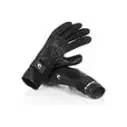
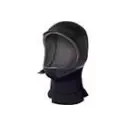
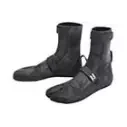
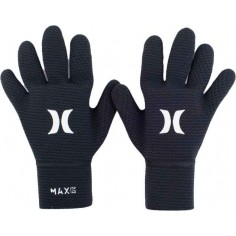
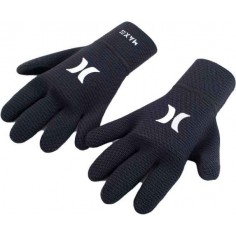
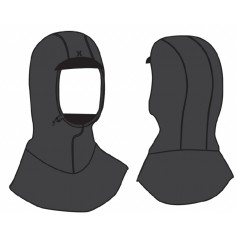
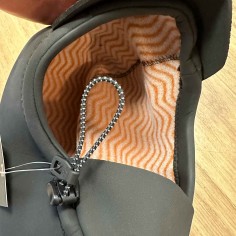
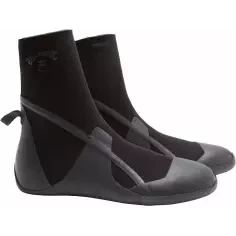
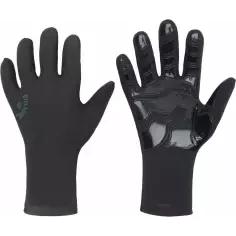
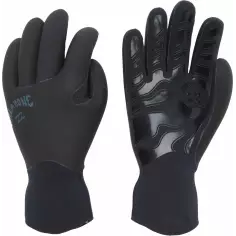
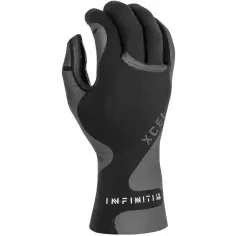
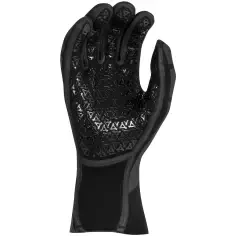
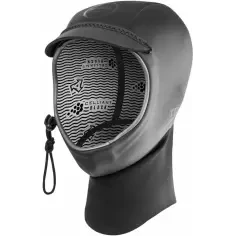
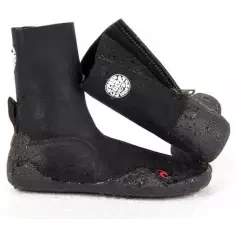
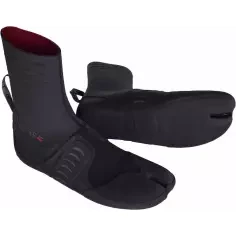
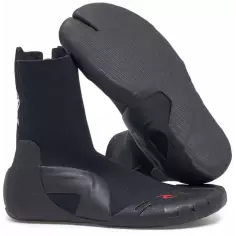
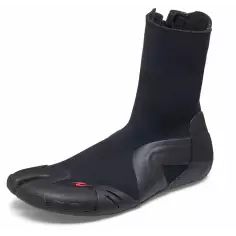
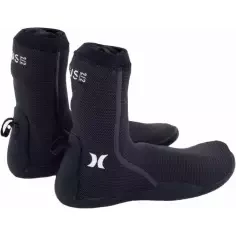
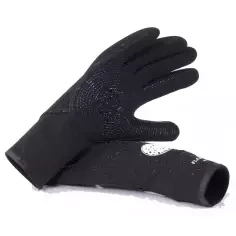
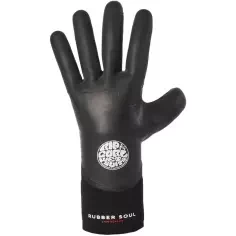
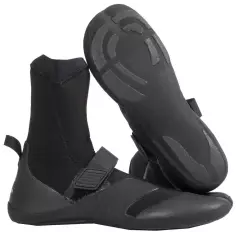
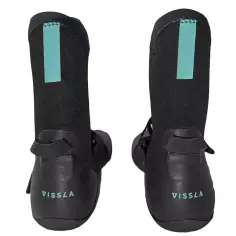
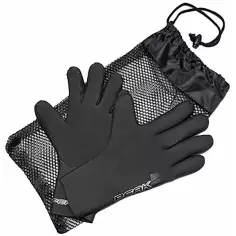
When it comes to neoprene accessories, the decision depends on which part of the body you want to protect and the water temperature. Hoods, gloves and boots are not optional in water below 15–16 degrees: the body loses up to 45% of its heat through the head and extremities. By protecting these areas, you gain thermal comfort and can stay in the water for longer sessions, even in the cold waters of the Atlantic.
Guide to neoprene accessories for surfing and bodyboarding
What is neoprene and how does it protect in the water?
Neoprene is the trade name for the chloroprene polymer, a flexible and durable synthetic rubber. It is resistant to solar degradation and chemical agents, and easily withstands damage caused by bending and twisting. These properties make it especially suitable for neoprene accessories in surfing and bodyboarding, where intense movements demand maximum durability.
When should you use a neoprene hood for surfing sessions?
A neoprene hood protects the head from cold water and wind on cold days. Most surfers start using one when the water temperature is around 16 °C. It is also worth considering to prevent ear conditions and improve thermal comfort during long sessions, reducing the risk of hypothermia.
What are neoprene boots used for in surfing?
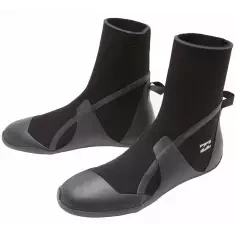
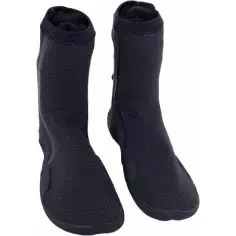
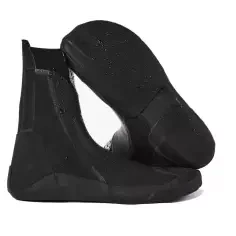
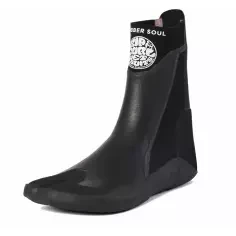
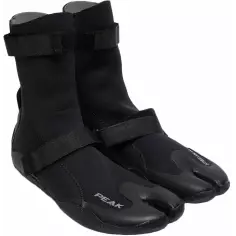
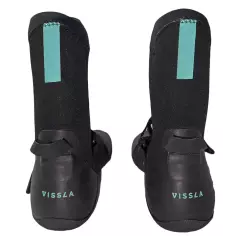
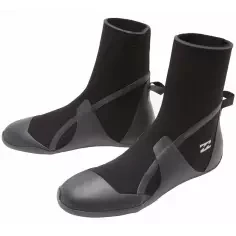
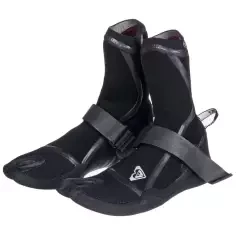
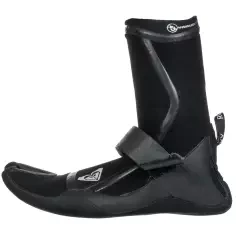
Neoprene boots (or booties) protect the feet from the cold during winter. Available in different thicknesses depending on the water temperature, they are an essential accessory when the water drops below 16 °C.
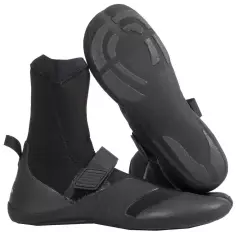
Besides thermal protection, neoprene boots are indispensable for surfing spots with rocky bottoms (reef breaks), where they protect your feet from impacts, sea urchins and other marine organisms.
Round Toe or Split Toe boots? Differences in comfort and control
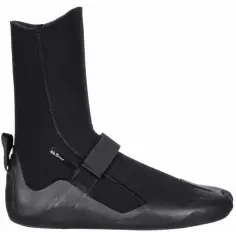
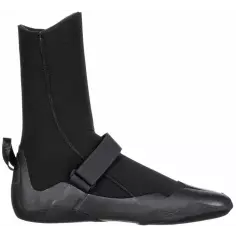
Round Toe boots keep all the toes together with no separation. This configuration distributes heat evenly across the whole foot, keeping it warmer during long sessions in cold water.
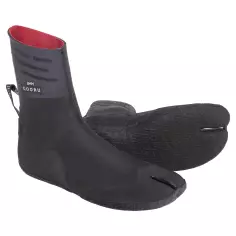
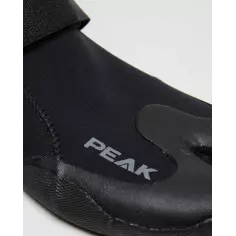
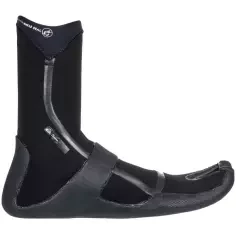
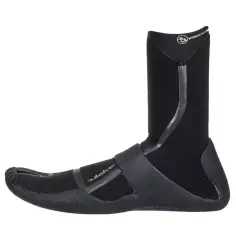
Split Toe boots separate the big toe from the rest, which improves balance and control over the board. In the water, this translates into greater freedom of movement and manoeuvrability, especially when you are progressing technically, although the big toe retains slightly less heat than in the Round Toe version.
Which neoprene boot should you choose? Round Toe vs Split Toe
The first question is what the surfer prioritises: thermal protection or technical control. For maximum heat retention in winter, it is best to prioritise Round Toe; the even distribution of heat makes it the go-to option when sessions are long and the water is particularly cold.
If you are undecided between the two options and your priority is stability and precision in manoeuvres, the Split Toe offers the advantage of a free big toe. In practice, riders who are progressing or who often surf spots with medium-sized waves usually benefit more from this freedom of movement.
At Mundo-Surf we offer gloves, hoods and neoprene boots in specific thicknesses for each temperature range, from moderately cold water to Atlantic winter conditions.