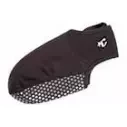
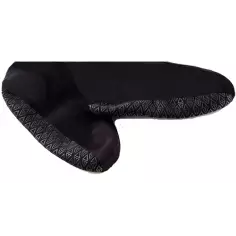
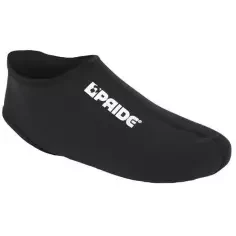
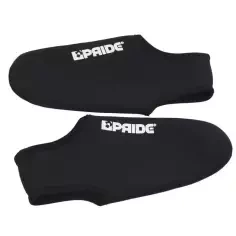
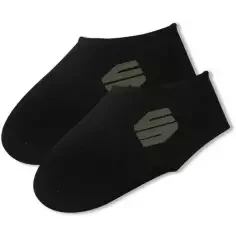
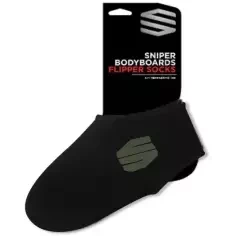
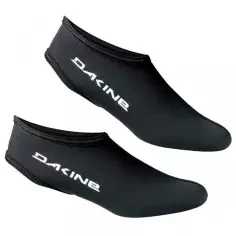
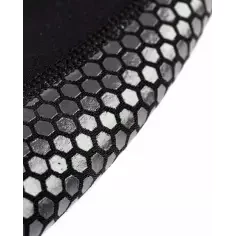
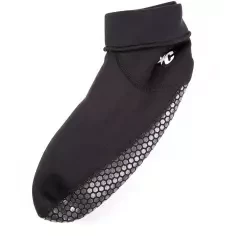
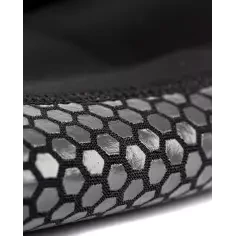
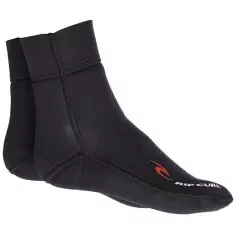
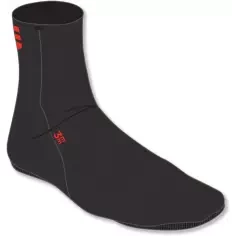
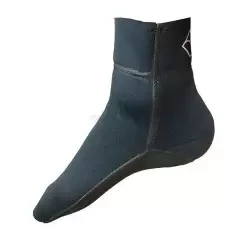
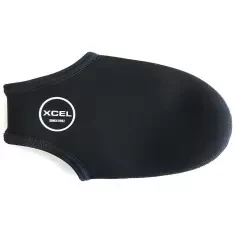
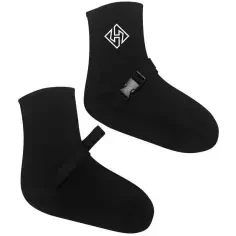
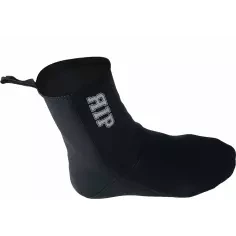
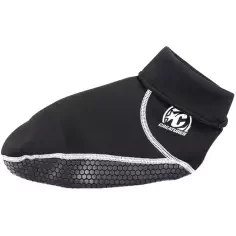
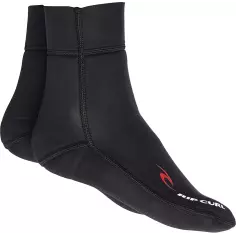
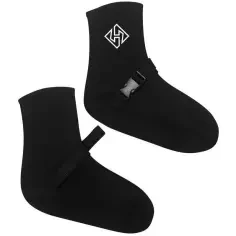
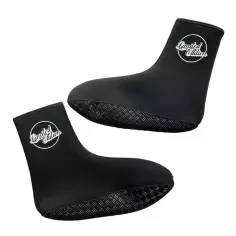
Neoprene socks for bodyboarding are a key accessory to protect your feet from chafing and irritation caused by bodyboard fins. In practice, they improve comfort inside the fin and reduce friction in repeated or long sessions. For intensive use, it’s worth paying attention to the thickness of the neoprene and the height of the cuff: what really makes the difference here is how both factors combine with the water temperature and the fit of the fin.
There are two main families to consider when choosing this accessory: low-cut, thin socks or booties, designed to prevent chafing without adding much bulk, and high-cut booties with greater thickness, aimed at retaining heat in cold water. The deciding factor is not only thermal protection. The actual space available inside the fin and the usual length of the session also play a part.
Neoprene booties and socks for bodyboard: selection guide
What types of neoprene booties are there for bodyboarding?
There are several types of bodyboard socks and neoprene booties, mainly differentiated by the height of the cuff and thickness. What distinguishes one board from another under these conditions doesn’t apply here: in this case, what sets one model apart from another is the balance between warmth, fit, and sensitivity inside the fin.
- High-cut booties (3 mm): suitable for winter or cold water, usually below 15–16 °C. They cover the foot and ankle, better limit water entry, and provide more thermal insulation. One thing to bear in mind when using them: they require fins with a bit more internal space.
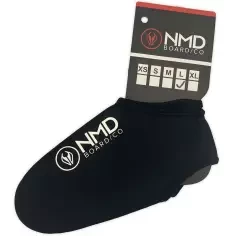
- Low-cut booties (0.5 to 2 mm): designed to protect against chafing without adding too much thickness. They work well in mild water, between 17 and 22 °C, or when the priority is to maintain a precise fit. In practice, they are an intermediate option between protection and feel.
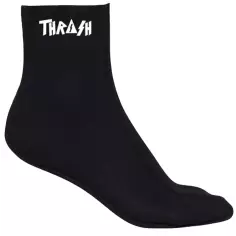
- Thin neoprene socks: they provide a basic barrier against friction and limited thermal protection. They are usually the logical choice in summer or in mild waters, above 20–22 °C. If there’s only one takeaway, they are useful when the main problem is chafing rather than cold.
Which neoprene sock or bootie is right for your bodyboard fins?
The choice depends on two main factors: the water temperature and the type of fin. In practice, the deciding criterion is to check how much insulation your feet need and how much room the fin leaves without compromising circulation or creating excessive pressure.
If the priority is thermal protection, a 3 mm high-cut bootie usually works best for long or cold sessions. If the main need is to avoid chafing and maintain a snug fit inside the fin, a low-cut model between 0.5 and 2 mm is more appropriate. What makes the difference here is that too much thickness can improve warmth but also alter the fit of the fin.
It’s also worth framing the choice according to how often you go in the water. For occasional sessions in mild water, a thin sock is usually enough. For those who get in the water several times a week, especially with stiff fins or over cold bottoms, it’s worth prioritising a model with better protection and comfortable seams.
If there’s only one takeaway: the right model is the one that prevents chafing without harming the fit of the fin and provides the warmth needed for the actual water temperature. Mundo-Surf recommends assessing that balance first, because it’s what determines comfort throughout the entire session.