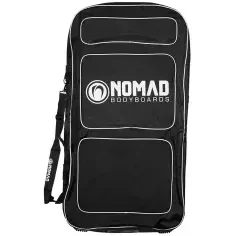
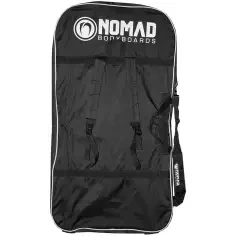
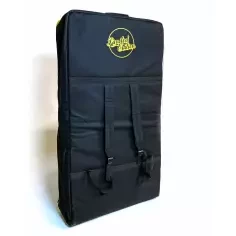
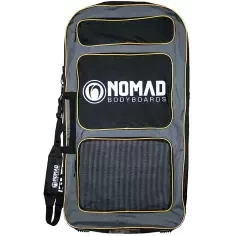
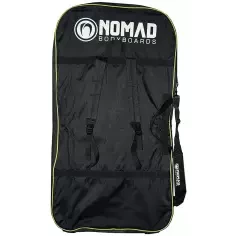
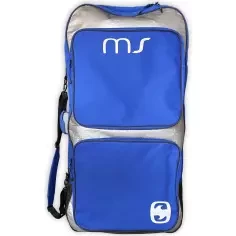
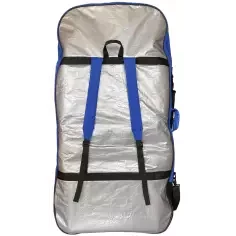
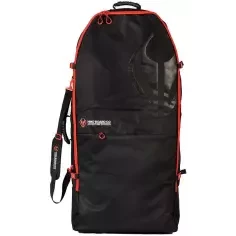
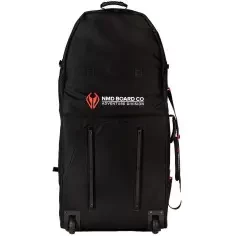
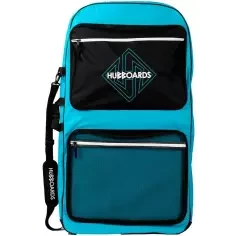
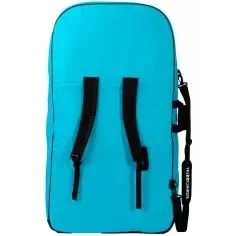
Padded bodyboard bags are a solution designed to protect your bodyboard during trips and transport. They allow you to carry in a single bag your bodyboard fins, bodyboard leash, wetsuit and other accessories. They are available with capacity for 2, 3 or 4 boards, with or without wheels: something to keep in mind when your trip includes airports, long journeys or full gear.
The more compact versions also work well for daily use, because they add a level of protection that non‑padded bodyboard bags do not offer. What makes the difference here is the internal padding, usually between 5 and 10 mm of foam. In practice, that protection margin absorbs impacts, scuffs and pressure points during transport.
Padded bodyboard bags: how to choose according to protection and use
What sets a padded bodyboard bag apart
At first glance, a padded bag may look very similar to a non‑padded bodyboard bag. What differentiates one bag from another in these conditions is the foam thickness: 5 mm usually covers frequent use with reasonable care, while 10 mm is a better fit for trips and intensive handling.
The exterior is usually made of high‑density polyester or nylon. The key factor in your choice is not only the padding, but also the strength of the fabric, the zippers and the reinforcements on the handles and base. In practice, that combination is what helps limit damage from impacts, pressure or friction.
When a padded bag is worth it
If the main use is travelling, a padded bodyboard bag makes sense from the very first serious trip. It is suitable for car, train, boat or plane, especially when the board shares space with more gear or passes through less controlled handling areas. If there is only one point to remember: the longer and more demanding the journey, the more relevant the padding becomes.
It can also be a useful option for storage at home or in the car trunk. It does not replace basic care of your gear, but it does add a stable barrier against accidental knocks and pressure. Worth considering when the board is frequently transported between beach, car and accommodation.
Capacity: 2, 3 or 4 boards
Capacity affects the choice more than it might seem. A bag for 2 boards usually works better for individual use and simple trips, while a 3‑ or 4‑board bag is better suited to long journeys, group sessions or the need to carry several setups. What really makes the difference here is the actual volume of gear that goes along with the boards.
Besides the bodyboard itself, many bags let you store fins, leash, wetsuit and clothing. In practice, it is advisable to leave a bit of internal room to avoid excessive compression on the rails and centre of the board. Always check that the bag size matches the length of your bodyboard, usually expressed in inches.
With or without wheels
A wheeled bag adds comfort when the total weight goes up, especially in airports, stations or on long walks. A bag without wheels is usually lighter and simpler, which is useful for short trips or when cutting down dead weight is a priority. The key factor here is how often you travel and the actual distance you have to carry your gear.
As mentioned before, it is not just about transport. Wheels add convenience, but it is also worth considering the structure, side handles and weight distribution. If the use is going to be daily and local, a compact padded bag may make more sense than a large travel model.