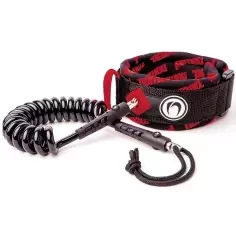
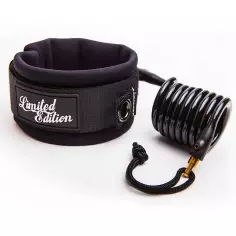
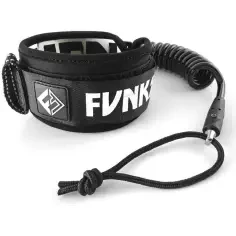
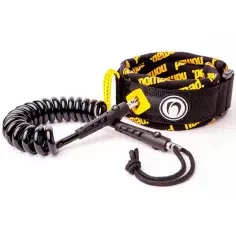
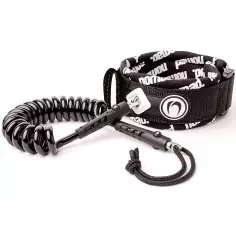
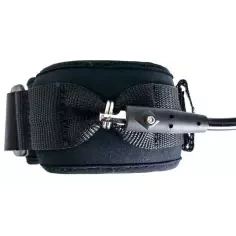
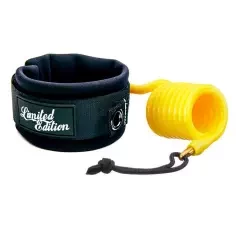
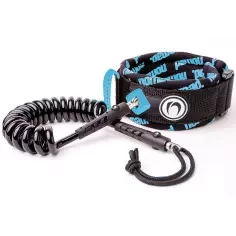
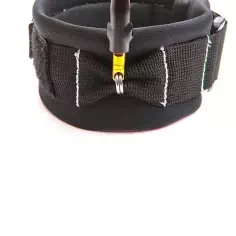
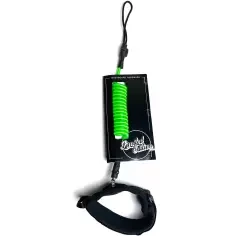
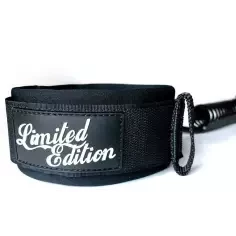
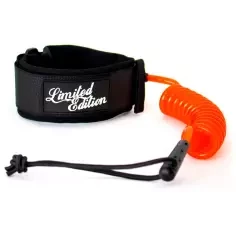
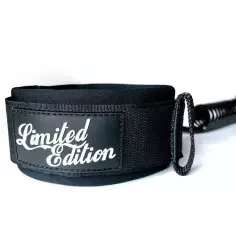
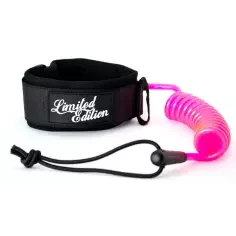
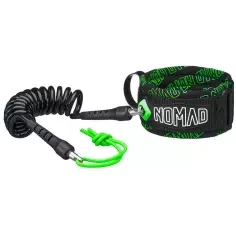
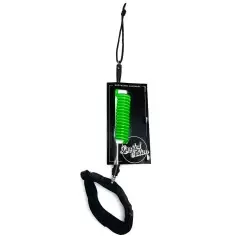
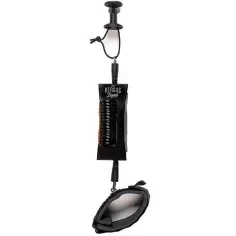
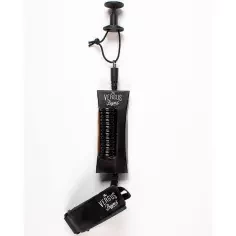
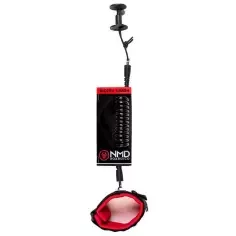
Bicep bodyboard leashes are attached to the arm and connect the bodyboard while giving you greater freedom of movement when paddling. In practice, they are a common choice among intermediate and expert riders because the leash moves around less, gets in the way less when paddling, and maintains a stable connection with the board.
Key features of a bicep leash for bodyboard
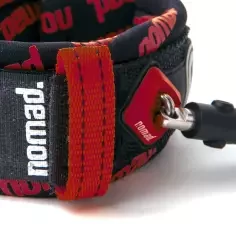
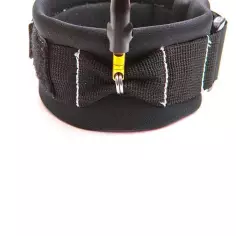
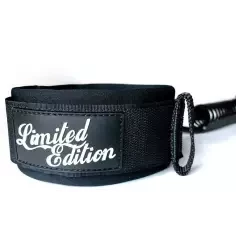
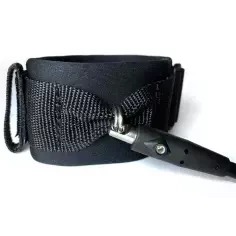
What makes the difference here compared with other types of leash is its specific fit around the arm. The Velcro closure is usually wider than on a wrist bodyboard leash, and many models add a double closure system to reduce the risk of it coming undone in powerful waves.
The main criteria when choosing one focus on several specific points: how the pressure on the bicep is distributed, the flexibility of the cuff, the quality of the Velcro and the stability of the leash in choppy water. The aspects that distinguish one board from another in these conditions do not apply here; in a leash, what matters is that it doesn’t interfere with paddling and that it maintains a secure hold even during long sessions.
Things to bear in mind when comparing a bicep leash with a wrist leash: the bicep option is usually more comfortable for those who spend a lot of time paddling or want less interference during maneuvers and transitions. However, the choice may vary depending on personal habit, wetsuit thickness, or preferred fit.
Frequently asked questions about bicep leashes for bodyboard
Why choose a bicep leash for bodyboard over other options?
The choice depends on actual use and each rider’s preference, but in practice the bicep leash stands out when you paddle a lot or want a more stable cord. It moves less on the body, is less intrusive on the forearm, and gives a greater feeling of freedom in the lower part of the arm. If there’s only one key takeaway: it prioritizes comfort and control without sacrificing maneuverability.
What is a bicep leash for bodyboard like?
This type of leash is similar to a wrist bodyboard leash, but its design is adapted to the contour of the bicep. The Velcro closure is wider to improve support and, in many cases, it includes a double safety closure to prevent the leash from shifting or opening during the session.
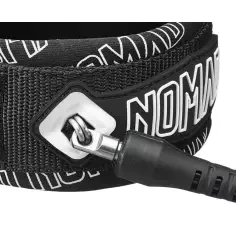
Things to keep in mind when choosing a model: it’s worth checking the cuff width, the softness of the inner neoprene, the elasticity of the cord, and the strength of the swivels. What makes the difference here is not only durability, but also the overall stability when the water is rough or when using thicker wetsuits, for example 4/3 mm or 5/4 mm.