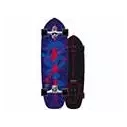
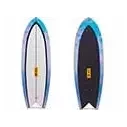
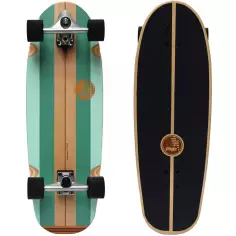
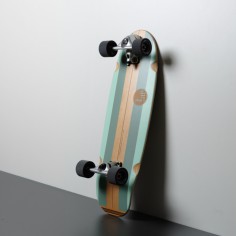
Surfskate boards allow you to take a movement very similar to surfing onto the asphalt. Through linked turns and weight shifts, they generate speed by pumping without the need to constantly push with your foot. In practice, the key criteria when choosing are the type of pumping you’re looking for, along with the wheelbase and your experience level.
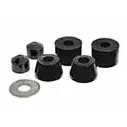
At Mundo-Surf you can find complete surfskates ready to ride as well as individual components: decks, trucks, wheels, bushings and grip tape. What really makes the difference here is being able to tune the setup to real-world use: beginners, technical surf training, or smoother carving on urban routes.
All about surfskate: complete guide to choosing a board and training for surf
What is surfskate and how does pumping work?
Surfskate is a type of skateboard designed to reproduce the movement of a surfboard on dry land. It uses a front truck with more travel and turning range than a classic skateboard, which allows you to move forward by pumping instead of pushing all the time.
You achieve that pumping by alternating heel and toe pressure, with coordinated rotation of shoulders and hips. Something to bear in mind when starting out: it’s not just about turning a lot, but about maintaining rhythm, weight transfer and control of your line.
How to choose your surfskate: deck, trucks and wheels to get started
The three main criteria are clear: front truck, wheelbase and wheels. What sets one board apart from another here is not just the shape of the deck, but how the whole setup responds when pumping and when finishing turns.
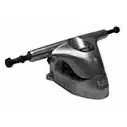
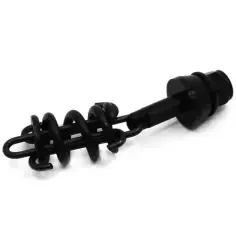
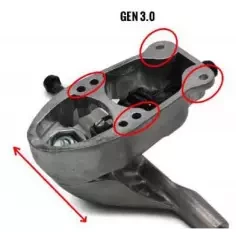
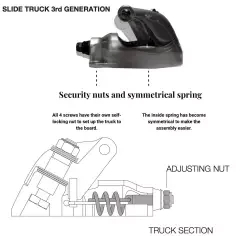
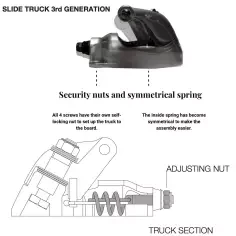
The front truck defines a large part of the feel. A very reactive system favors tight turns and lively pumping but demands more balance; a more restrained one is easier for beginners and usually offers a more predictable transition.
As a guideline, wheelbase usually ranges between 16" and 21". Below 17" the response tends to be twitchy and very tight; between 17.5" and 19" you’ll usually find a balanced sweet spot for most riders; above 19" the carving gains width and stability.
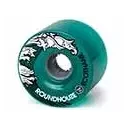
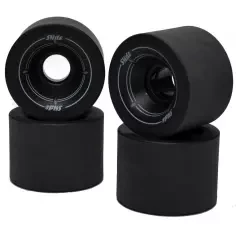
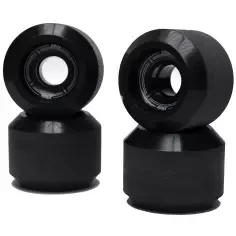
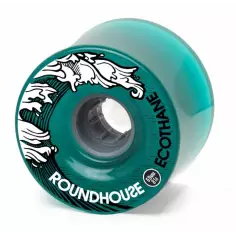
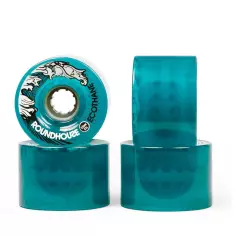
For wheels, the most common diameters range from 65 to 70 mm. A 65–66 mm wheel accelerates easily and keeps the setup agile; a 69–70 mm wheel provides more inertia, better performance over rougher ground and more grip, although with a slightly less immediate response when starting off.
Complete surfskate: what to look at depending on your budget
To give you an idea of price ranges, an entry-level complete surfskate usually starts at around €120. Between €180 and €250 it’s common to find setups with more precise trucks and better-performing wheels. Above €300, the usual goal is to achieve a more specific pumping feel or materials with more refined tuning.
If you have to focus on one thing, it’s worth prioritizing trucks and wheels over graphic design. In practice, these are the two elements that most change the way the board feels under your feet and how easy it is to progress.
Training surf on land: how surfskate helps when there are no waves
Surfskate is used to work on pumping, compression-extension, weight transfer and coordination of the upper body. It’s especially useful for surfers who want to maintain their feel between sessions or improve how they read their turns out of the water.
It can also serve as a technical tool for basic maneuvers: bottom turn, cutback or simulated rail-to-rail transitions. The deciding criterion here is the type of training: a loose, very turny setup for short maneuvers, or a longer, more stable one for wider lines and flow.
What is the wheelbase of a surfskate? Distance between trucks and carving
Wheelbase is the distance between the two trucks. This measurement directly affects the turning radius, stability and how easily you can generate speed by pumping.
A short wheelbase makes quick direction changes and very tight turns easier. A long one favors a smoother, more stable trajectory. What really makes the difference here is its relationship to your height and stance: the more centered you are over the board, the more natural the movement will feel.
As a simple reference, a shorter rider will usually feel comfortable with more compact measurements, while taller riders or those with a wider stance usually get more out of slightly longer wheelbases. It’s not a fixed rule, but it’s a good starting point.
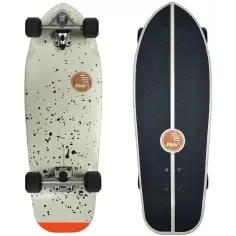
The shape of the deck has an influence, but less than it might seem. A wider platform provides support and comfort; a narrower one feels a bit quicker from rail to rail. Even so, what truly makes the difference is usually the truck and the wheelbase.
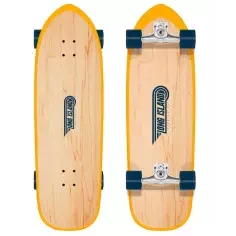
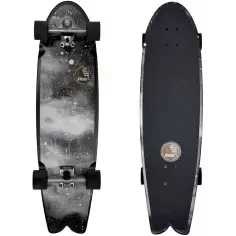
The most common lengths range from 29" to 33". A 29"–30.5" surfskate is usually geared towards short turns and a reactive ride; between 31" and 32" you’ll find a very solid balance for most riders; above 32" the feel tends to be more planted and drawn out.
The rider’s size also matters. When looking for a first board, bear in mind that weight, height and experience should match a manageable setup, not the most radical one. For beginners, a stable, progressive setup often works better than an extremely loose one.
If there’s one key takeaway: the front truck is the most decisive component of a surfskate. The deck, wheels and bushings fine-tune the feel, but the turning system is what defines the overall character of the setup. At Mundo-Surf, the practical approach is to first choose based on truck response, then adjust wheelbase and finally finalize your choice with wheels and durometers according to your style and terrain.