As a specialist online bodyboard shop, Mundo-Surf curates this selection with a clear criterion: gear that provides control, comfort and safety according to real-world use. At Mundo-Surf, what makes the difference is that you don’t just choose a board: fins, leash, protection and accessories that match your level and the way you get into the water all matter too. From a first board to a more technical setup, it’s worth structuring your decision by priorities.
Bodyboard guide: how to choose your board, fins and accessories according to your level
Bodyboard: board types, materials and performance according to your level
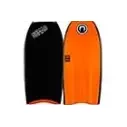
If you want to buy a bodyboard online, the first step is understanding that this watersport is about gliding along the face of a wave and performing manoeuvres with a short, soft, finless board. It’s practised lying down or in dropknee, with one knee on the board, and it requires a very direct relationship between buoyancy, stiffness and control. What sets one board apart from another in these conditions is how it responds in the water, not just how it looks.
Things to bear in mind when choosing a board: size is usually related to the rider’s height and weight. In practice, a common reference is to have the top of the board between your navel and just below your chest. For beginners, more forgiving boards with medium flex and good volume usually work better; for intermediate or advanced riders, you look for more stiffness, greater drive and better feel in powerful waves.
Water temperature and wave type also play a role. In cold water, materials can behave differently than in temperate or tropical water: a stiffer core maintains its responsiveness better when the temperature drops. If you have to stick to one key point, make it this: the board must match your weight, your level and the conditions you’ll surf in most often.
Bodyboarding technique: how to master manoeuvres with fins and essential gear
The technical basics start with your position on the board, paddling with fins and entering the wave correctly. First you look for a clean takeoff, then speed on the face and, as you improve, manoeuvres and changes of line. Bodyboarding is accessible at the beginning but allows for broad technical progression when your gear keeps up.
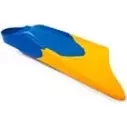
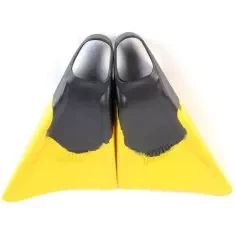
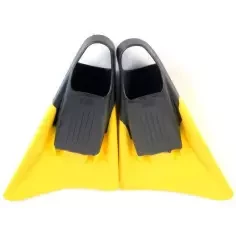
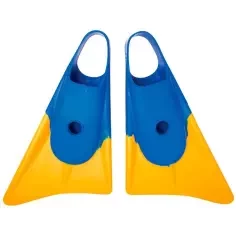
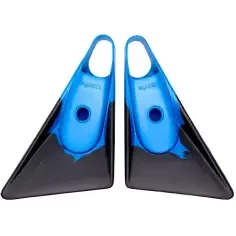
Fins play a decisive role: they provide propulsion, acceleration and control on takeoff. What really matters here is blade stiffness and how well they fit your feet. A soft or medium model usually works best for beginners or long sessions; a stiffer fin responds better in currents, more demanding waves or for riders with good kicking technique.
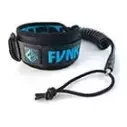
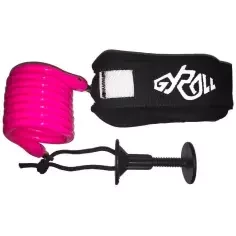
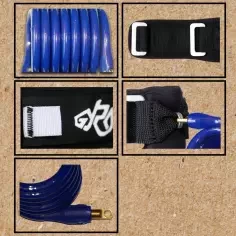
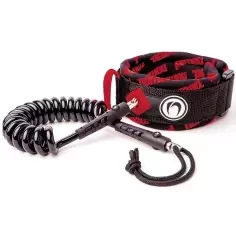
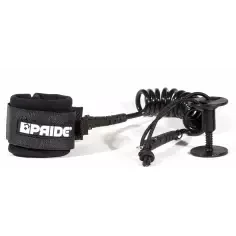
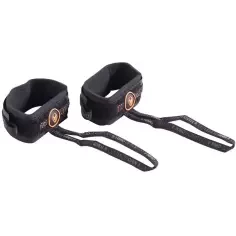
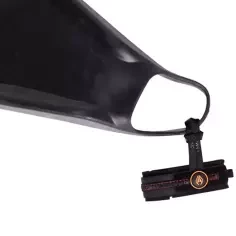
The essential kit is rounded out with a leash, fin tethers and protection according to the environment. A bicep leash is common in bodyboarding because it allows greater freedom of movement, although some riders prefer a wrist leash for specific uses. On rocky bottoms, hollow waves or busy peaks, a helmet and wrist protection go from optional to highly recommended.
Learning bodyboard: essential gear, fins, wetsuit and accessories for beginners
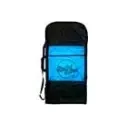
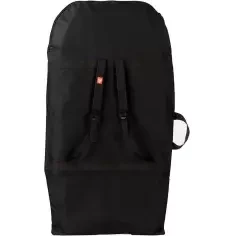
To learn sensibly, it’s best to prioritise a well-sized board, comfortable fins and a simple safety system. The key factor in your choice isn’t having more accessories, but avoiding unnecessary fatigue and building consistency from your first sessions. A basic boardbag also helps preserve the board when travelling and with temperature changes.
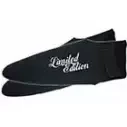
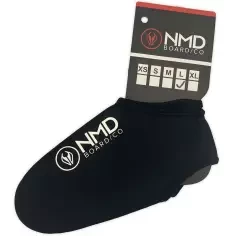
For wetsuits, the useful reference is water temperature: 3/2 mm usually works between 17 and 22 °C, 4/3 mm around 12–17 °C and 5/4 mm or thicker when the water drops below 12 °C. One thing to bear in mind when adding booties or neoprene socks: they change how your fins fit, so you may need to recheck your size. Thermal comfort directly affects how long you can stay in the water and the quality of your learning.
A chest pad or protector can improve support and reduce chafing in long sessions. In practice, this kind of accessory becomes more noticeable the more time you spend in the water or the more sensitive your skin is to repeated contact with the board. The same logic applies as with the rest of your gear: fewer discomforts mean more consistency.
Bodyboard accessories: fins, leash, wetsuit and protection according to conditions
- Bodyboard fins: top priority from day one. They’re judged by fit, stiffness and propulsion capacity.
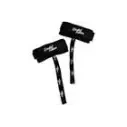
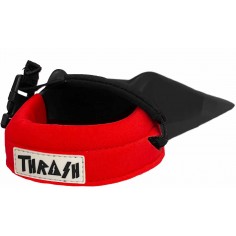
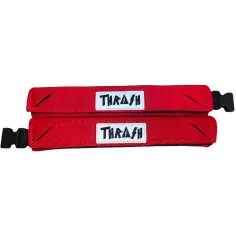
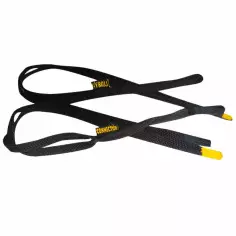
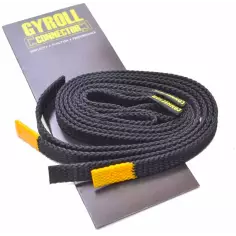
- Fin tethers: recommended to avoid losing fins, especially on beaches with currents or during long sessions.
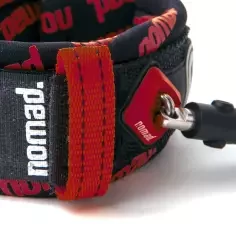
- Leash: bicep or wrist, depending on preference and habit. It must provide a secure attachment and smooth swivel.
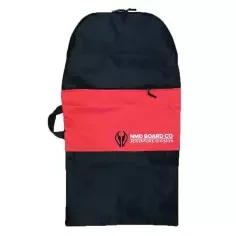
- Bodyboard bag: useful for protecting the board from knocks, scuffs and heat exposure.
- Wetsuit and socks: chosen based on water temperature and your usual session length.
- Chest pad or protector: improves comfort and support, especially with frequent use.
- Helmet and protection: increasingly important on hard bottoms, in powerful waves or when learning in demanding spots.
At Mundo-Surf, as a specialist online bodyboard shop, the key isn’t browsing an endless catalogue, but fitting each decision to your profile, level and typical conditions. What separates a smart choice from an impulse buy is how coherent the whole setup is: board, fins, thermal comfort and safety. If you have to focus on one thing, start with the gear that has the greatest impact on control and consistent use.