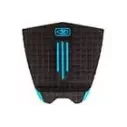
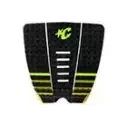
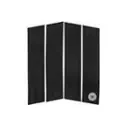
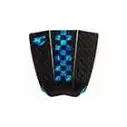
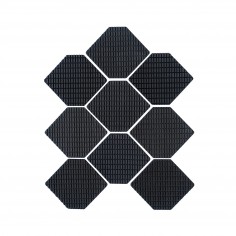
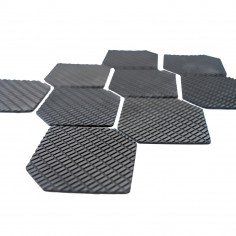
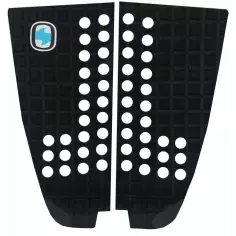
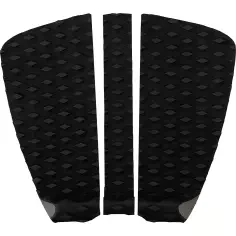
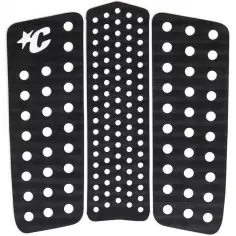
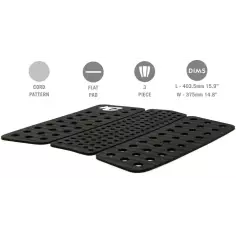
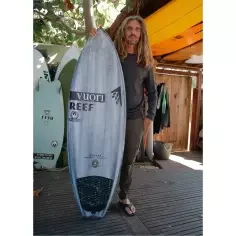
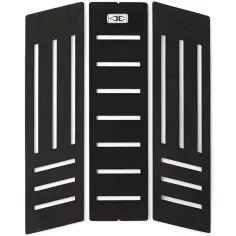
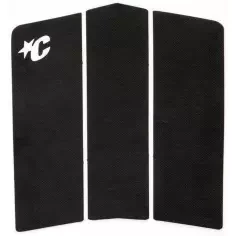
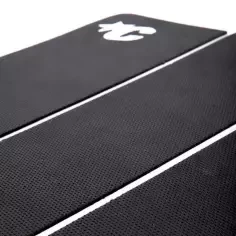
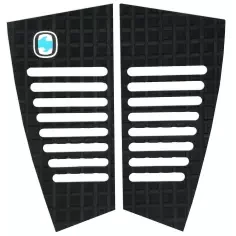
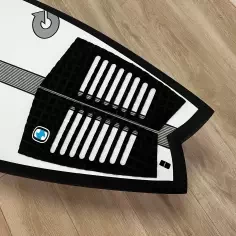
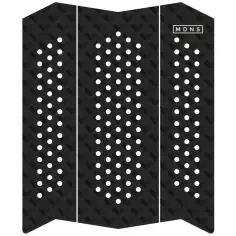
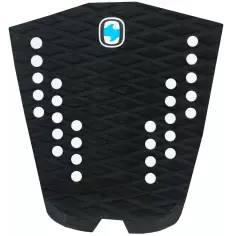
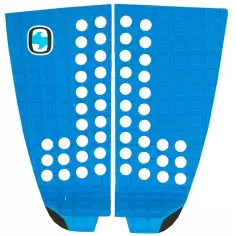
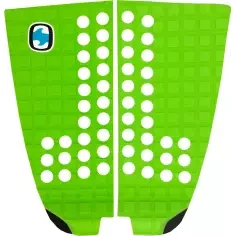
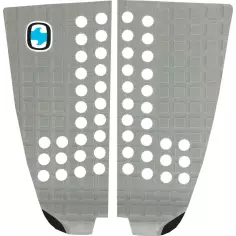
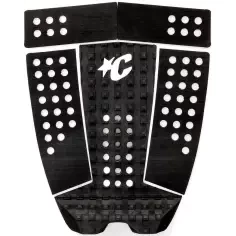
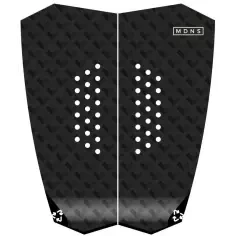
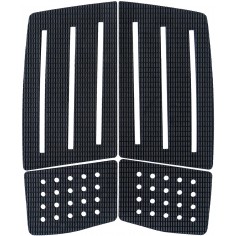
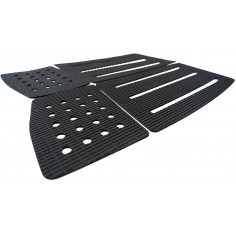
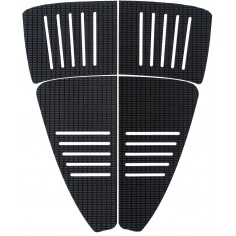
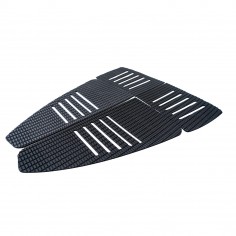
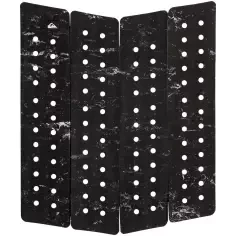
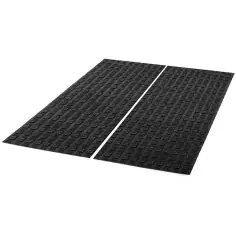
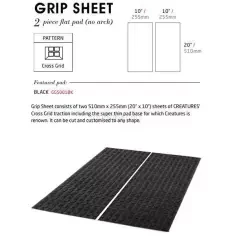
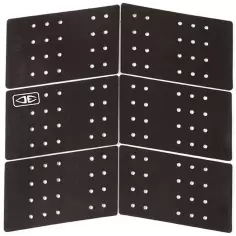
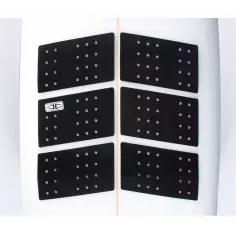
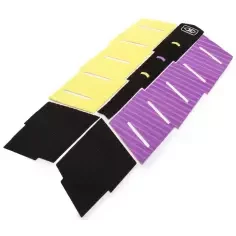
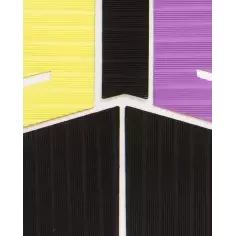
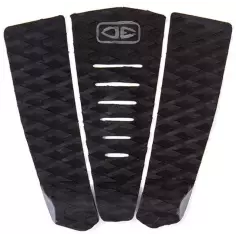
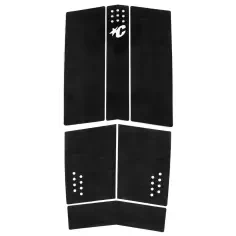
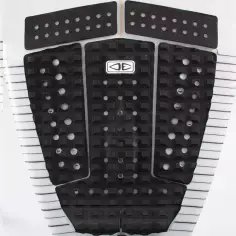
Surf grips are placed on the back of the board to increase non-slip traction for the back foot and eliminate the need for wax in that area of the deck. Besides their grip and control function, they also add an aesthetic element, with a wide variety of colors and formats. What really makes the difference here is choosing the model according to the tail shape, foot placement and the type of surfing you do.
Surf grip selection guide: features, installation and key criteria
What is a surf grip for and what advantages does it offer?
Surf grips are placed on the rear deck of the surfboard and provide non-slip traction without needing paraffin or wax in that area. In practice, they improve traction and control in turns, preventing the back foot from sliding backwards under heavy pressure. They also help you consistently find the same foot position, something useful both for beginners and advanced surfers.
If there is one key idea, it is this: the grip is not just to avoid slipping, but to gain precision in back-foot placement. What distinguishes one board from another in these conditions is how the tail responds when your weight lands exactly in the right spot. That’s why the texture, the height of the kick and the overall width matter more than looks.
Installing a surf grip: steps for correct placement
Installing a surf grip is simple thanks to its self-adhesive base. First, it’s important to thoroughly clean and dry the rear deck of the surfboard: there should be no salt, sand, moisture or wax residue. Keep this in mind when installing a grip: a poorly prepared surface greatly reduces adhesion over multiple sessions.
Next, remove the adhesive backing and place the grip piece by piece, pressing down progressively to avoid air bubbles. It’s common to let it sit for about 24 hours before going in the water. In practice, this waiting time is what allows the bond to set properly so that traction works as it should from the very first session.
What is the arch bar and how do you choose it according to your foot type?
The arch bar is the raised central section of the grip, positioned under the arch of the foot. Its height varies by model, and the key selection criteria are how your back foot rests and the level of board feel you want. A low-profile arch bar gives a flatter sensation; a more pronounced one defines your position better and offers more feedback under pressure.
For feet with a high arch, a medium or high arch bar usually works better. For those who prefer quick foot movement or a less intrusive feel, a low arch bar often feels more natural. The real difference comes from finding solid support without losing comfort in long sessions.
What is the kick tail and why does it affect turns and control?
The kick tail is the raised rear block that stops your foot and prevents it from sliding backwards when you load weight over the tail. Its height directly affects control: a more pronounced kick tail offers more support in vertical maneuvers, re-entries or high-pressure turns. A lower kick gives a less aggressive, freer feel.
What sets one board apart from another in these conditions is how the back foot drives the tail. On maneuver-oriented shortboards, many surfers look for kicks around 20 to 30 mm high. For more versatile use, an intermediate kick tail is usually enough to combine control and comfort.
When is it worth using a surf grip and which boards is it compatible with?
A surf grip is highly recommended when you want a clear reference for the back foot and consistent traction. At beginner level, it helps identify good foot placement and repeat it session after session. At intermediate or advanced level, it adds extra control in maneuvers and reduces dependence on wax in the rear area.
Compatibility mainly depends on the board’s surface. These grips are designed for boards with a hard finish, such as shortboards, fish, hybrids or some fiberglass funboards. They usually don’t adhere well to softboards, because the foam top does not provide a stable base for the adhesive.
How to choose a surf grip: number of pieces, arch bar and kick tail
Choosing a surf grip should follow a clear order. First, look at the width and shape of the tail; then, the number of pieces; finally, the arch bar profile and kick tail height. If there is one key point, it’s this: the grip must match your actual foot placement, not just the shape of the pad.
- Number of pieces and layout: Grips come in 1, 2, 3, 4 or 5 pieces. A 3-piece model usually fits most shortboards and medium-width boards. If the tail is particularly wide, as on some fish or hybrids, a 2-piece wide or 5-piece setup makes it easier to adjust lateral coverage.
- Arch bar: The key factor is the way your foot bears weight. A high arch bar offers more reference and support, which is useful if you load the maneuver heavily on the back foot. A low arch bar is more discreet and can suit surfers who prioritize direct board feel.
- Kick tail: Important if you want control in demanding turns: a higher kick holds the foot better in high-pressure maneuvers. For a smoother or more all-round style, a medium kick tail usually offers an easier, more manageable balance. The real difference appears when you surf with a back-foot stance and quick direction changes.