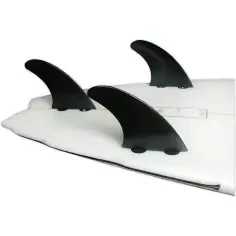
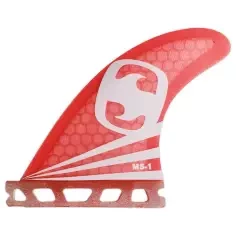
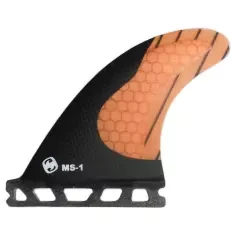
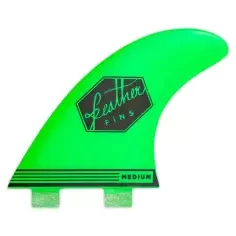
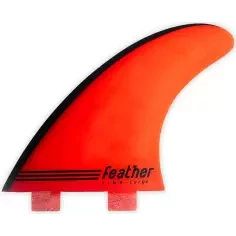
Tri-fin thruster fins: the standard setup of modern surfing
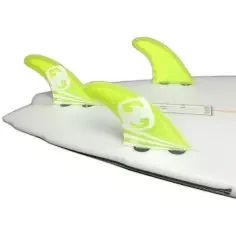
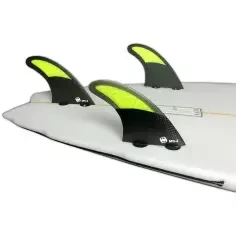
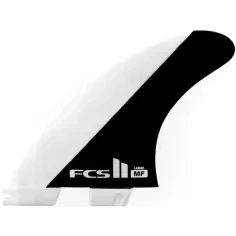
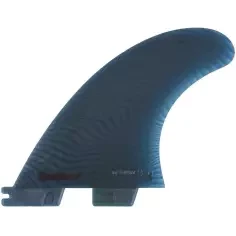
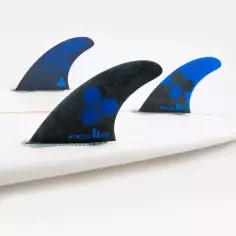
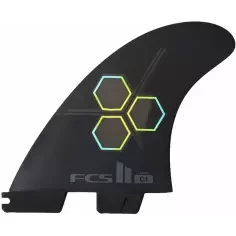
The tri-fin setup is the benchmark in modern surfing and the most commonly used in competition. This thruster configuration combines some of the speed and drive of twin fins with the extra hold of the center fin. The result is a versatile setup for turns, control, and adapting to very different conditions.
In practice, a board with a tri-fin responds well in tight turns, maintains stability in medium to large waves, and allows you to fine-tune feel by changing fins. What sets one board apart from another in these conditions is not just the shape: fin size, material, and mounting system also play a role.
FCS and Futures fin systems: the first compatibility criterion
The key criterion when choosing the system starts with the board’s compatibility. Each board incorporates a specific fin box, and that detail determines what type of fin can be installed. It’s worth checking this point before moving on to size or material.
- Single Tab: single-tab system, common in certain setups compatible with FCS. A simple, robust option for those who don’t change fins often.
- Click Tab: quick-change system, designed to make installing and removing fins easier. Worth considering if you want to vary your setup depending on the type of wave.
- Futures: single-base system, very widespread on current boards. It offers a solid attachment and requires exact compatibility with Futures fin boxes.
If there’s only one point to remember, it’s this: the fin must match the box system exactly. An FCS fin won’t work in a Futures box, and the same logic applies in reverse.
Fin materials: flex, stiffness, and real response in the water
What makes the difference here is the fin material, because it changes the weight, flex, and reactivity. In practice, a more flexible fin softens the response, while a stiffer one transmits power better during strong turns.
- Glass Flex: progressive flex and a balanced feel. It usually works well for beginner and intermediate levels, especially in small to medium waves.
- Carbon: stiffer, lighter material aimed at a quick response. It works better for advanced surfers or in waves with a more defined face.
- Core Lite: middle ground between flexibility and stiffness. It provides a stable sense of control without making the board too stiff through turns.
- Ultralight: lightweight construction to reduce weight and increase sensitivity. It can be interesting on reactive boards or for those who prioritize agility.
One thing to keep in mind when comparing materials: the stiffest option isn’t always the right one. For weaker waves or progressing surfers, a fin with more flex often helps more than a very stiff carbon fin.
Fin size: a useful guideline based on weight and level
Fin size should be related to the surfer’s weight before any other factor. As a common reference: size S up to around 55–65 kg, M between 65–80 kg, and L from 80 kg upwards. Some brands tweak these ranges, but the general logic stays the same.
For beginner or intermediate levels, the most reasonable option is usually to stay with the size recommended for your weight. Going down a size gives more looseness but less hold. Going up a size adds control, although it can make the board feel less lively in quick maneuvers.
How to choose thruster fins according to the board and wave type
What sets one board apart from another in these conditions is the relationship between shape, volume, and usual wave type. On a high‑performance shortboard, a well‑balanced thruster lets you get more out of direction changes and strong bottom turns. On a hybrid or a fish with a tri-fin option, it can sometimes be worth choosing a fin with a bit more base to gain drive.
In small waves, from 0.5 to 1 m with little wall, slightly more flexible or lighter fins tend to work better. In waves from around 1.5 m upwards, with more push, the deciding factor is usually extra hold and stability. This translates into stiffer profiles or slightly larger sizes within the suitable range.
Fin brands: what to look at beyond the name
Mundo-Surf works with well-known brands such as FCS, Shapers, Feather Fins, Komunity, and Creatures. The useful difference when choosing is not just the brand: it’s worth paying attention to the compatible system, material, size, and the type of response each model is designed for.
If you only remember one point here, let it be to compare specifications rather than names. Two fins from different brands can perform very similarly if they share size, stiffness, and intended use.
Futures fins: when they make sense and what they offer
Futures fins require a specific box and offer a long base of support. In practice, this provides a solid, locked‑in feel and direct power transfer in turns. They are common on many modern boards, including some softboards and beginner boards, although not on all of them.
One thing to bear in mind with this system: the ease of installation depends on the box model and the adjustment screw, not on any universal compatibility. The essential step is still to check what system your board has before choosing any thruster set.
Accessories and maintenance: what you need to avoid problems
Useful accessories in this category usually include plugs for unused fin boxes, spare screws, fin keys, and installation kits. These are simple items, but they help prevent play, loss, or damage to the box during installation.
What really makes the difference here is basic maintenance: rinsing with fresh water after use, checking screws, and ensuring there’s no sand in the fin system. That care extends the life of the gear and prevents forcing the fin during installation.
Selection summary: how to narrow your search sensibly
To choose tri-fin thruster fins logically, the most useful order is this: first the fin system, then size according to weight, next the material according to level, and finally fine-tuning according to wave type and board. This process avoids compatibility issues and helps you place each option more accurately.
Mundo-Surf lets you filter by system, size, material, or brand. If you follow that decision order, your search becomes clearer and you’ll reach a model that makes sense for real-world use more quickly.