Shopping Cart
There are no more items in your cart


Bodyboard barrel riding technique: master every wave


This guide breaks down the bodyboard barrel riding technique step by step, from reading a wave to committing to the drop and holding your line through the tube, so you can build real confidence in hollow conditions.
Bodyboard barrel riding on every wave
Getting barrelled is the ultimate goal in bodyboarding. It demands wave knowledge, timing and a clear understanding of what your board is doing beneath you. Start with the right equipment: among the quad concave bodyboards available at Mundo-Surf, you will find shapes engineered for speed and rail control in hollow conditions.

Choosing a barrel for bodyboarding
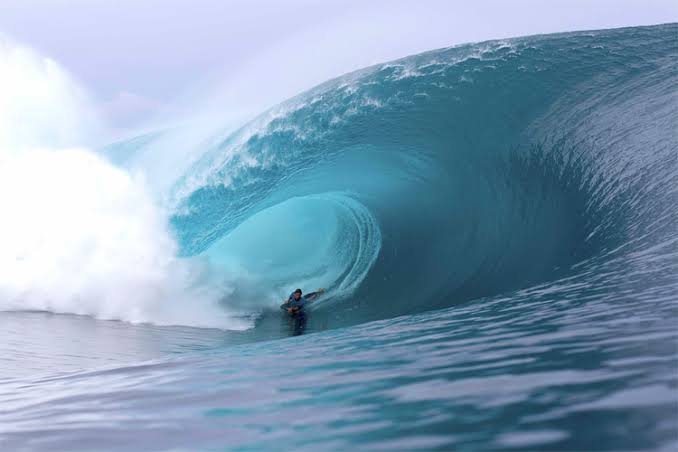
Mastering the technique of bodyboard barrel riding does not begin on the heaviest reef you can find. It begins on smaller, predictable waves that hollow out at low tide, close-outs included. Unlike surfing, bodyboarding does not require a full open pipe to start learning how the barrel moves around you.
- Close-out shorebreaks are ideal first classrooms: they barrel consistently, remain forgiving and teach you the shock of the lip without the consequence of a long hold-down.
- Low-tide beach breaks become useful as soon as conditions start producing small hollow sections, helping you practise your take-off angle and bottom timing.
- Fast, running tubes are the next step once your close-out confidence is solid. They offer a brief open exit; the same technique applies, but the margin for error tightens quickly.
- Deep, heavy barrels challenge even professional riders, so treat them as a long-term target rather than a starting point.
Building on that progression, each step sharpens a specific skill: close-outs build commitment, beach breaks develop your line, and running tubes teach you to read the exit.
Paddling under the wave lip
The core of any sound bodyboard barrel riding technique for beginners is getting far enough inside the breaking section: paddle hard, paddle early, and aim to be under the lip rather than chasing it. On sucky waves in particular, hesitation is the enemy. Commit fully or the lip takes the decision for you.
Take-off timing and commitment
Build speed before the wave reaches you. Any unnecessary turn near the pitching section bleeds momentum and risks getting you caught in the lip. Use the corking take-off, rocking back on the tail then shooting forward, only at roll-in breaks, not on very sucky sections where paddling must begin well before the wave throws.
On a late take-off, the final paddle stroke from the arm furthest back adds a genuine power boost. As soon as the board locks into the drop, pin the shoulder closest to the wave face as a pivot point. That single adjustment stops the board from sliding across the face and gives you a controlled, committed entry into the barrel rather than a scramble.
Frontside and back take-offs
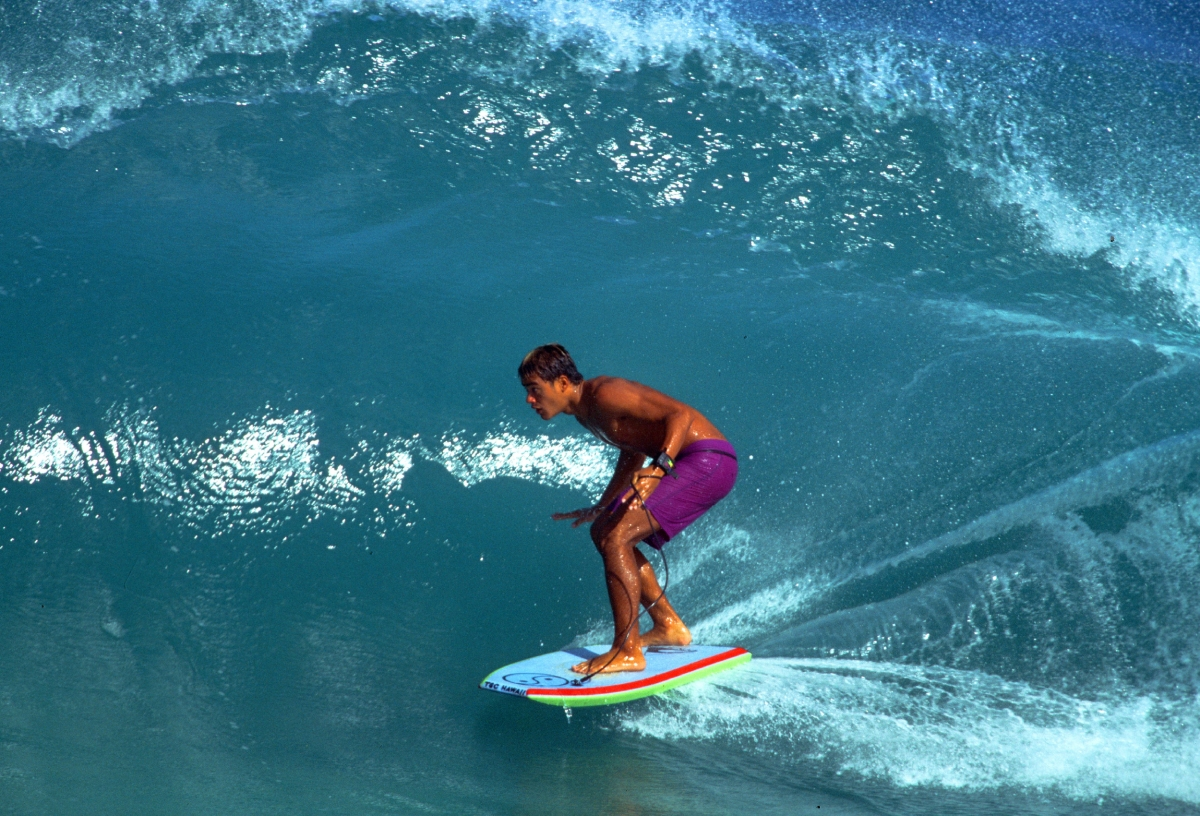
Frontside take-offs require a straight drop, not sideways. Catch a rail on entry and the ride ends immediately. Use the arm pressed against the wave face for stability as the board accelerates; on a fast, steep wave, you can almost fall forward on the front foot and let the rail knife in for immediate speed. The best waves for a frontside entry are those that are sucky and running hard.
The rider has the rail in hand, the wave face to lean against, and can drag the rear end near the bottom to regulate the angle. Building on that natural advantage, the back-side entry into a barrel is often where a bodyboarder first learns what real tube control feels like, with the fins driving and the board locked high on the face.
Frequently asked questions
How do you control your speed and stall inside a barrel on a bodyboard?
Speed control inside the barrel separates a clean exit from getting swallowed. To slow down, use a wall grab: a one-handed stall is the default, while a double-handed stall gives rapid deceleration when the barrel is not moving fast. To accelerate and add tube time when the exit is running away, lunge forward on the board. A closer stance improves control in deep sections; a wider stance risks catching the rail. Keep the back foot just off the tail kick, near the top of the tail pad, and avoid shifting it too far forward. Absorb the shockwaves from the lip’s impact and keep your eyes on the exit at all times.
What is the safest way to handle a close-out barrel while bodyboarding?
Stay inside the barrel and let the wave push you through the back: that is the safest technique in a close-out. Turning towards the beach inside a close-out puts the lip directly on your neck, spine or legs and is harder to execute than simply holding your ride. Pulling into close-out barrels is also the best practice drill available: it builds commitment, sharpens your drop-in angle and makes the sensation of the barrel feel routine. Catch them consistently and the hesitation that stops most riders from going for real tubes disappears. Keep your eyes open throughout, even when the lip is chandeliering above you.
Which bodyboard is best suited for riding hollow, barreling waves?
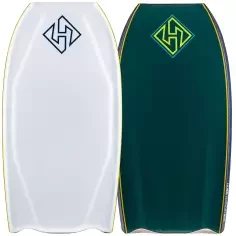
A board with a quad-concave deck and responsive rail channels is built for exactly these conditions: it generates speed quickly through hollow sections and holds a line under the lip without sliding. The NMD Mez 7x Quad bodyboard is the right choice when you are riding hollow, fast surf and need both speed and rail control in one package. Mundo-Surf holds this board in real stock with fast shipping and offers 100-day returns so you can ride it in proper conditions before committing fully.
Recommended products

Share this article: